

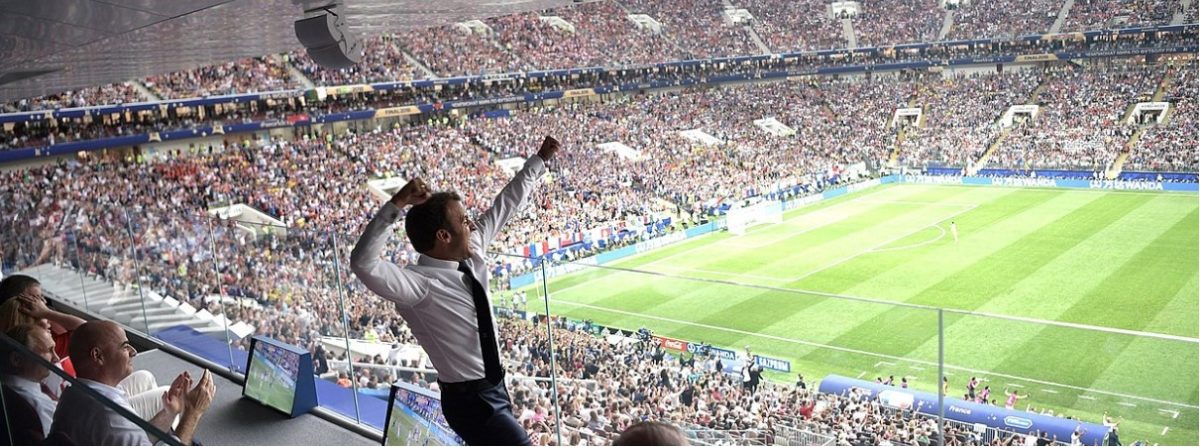
 Emmanuel Macron. Wikipedia
Macron attacked in court for racketeering and violence by Yellow Vest
French police had to dig deep into the Fifth Republic's Constitution after a Yellow Vest filed a complaint against President Emmanuel Macron.
Published: November 27, 2018, 8:31 am
Uncertain as to the validity of such a complaint, police officers first had to consult the Constitution before they eventually recorded the charge.
It is a complaint that will cause a stir and encourage other Yellow Vest protesters to do the same. As regional daily Ouest-France reported on Monday, November 26, a member of the grassroots movement against Macron’s fuel tax hikes, from Saint-Malo (Ille-et-Vilaine) went to the police station in town to file a complaint against the head of state and his government.
After the violent clashes between protesters and police on Sunday on the Champs-Elysees in Paris, the Yellow Vest supporter who filed the charge, has been able to extend the list of ills he blames on the President of the Republic and the government.
But first, he had to convince the police of the merits of his approach. “They had never seen that. The police went looking in the code of the Constitution to see if it was possible,” he explained, laughing. Eventually, law enforcement noted the charge.
Emmanuel Macron and his ministers have therefore been charged with “racketeering, squandering of public money, moral damage and endangering the lives of others, intentional violence with weapons, misuse of the police on vulnerable people and infringement of the right of demonstration”.
The brave Yellow Vest believes his accusations are all well founded. “On a video, we saw older protesters being abused, while the movement of Yellow Vests is a pacifist one and we are not vandals,” he says.
He hopes to obtain the resignation of Emmanuel Macron and his government. But “for it to rise to the highest level of the state”, he relies on other collectives to emulate in his approach.
Another 29-year-old Yellow Vest who lives in the Charente, filed a similar kind of complaint for “usurpation of function and embezzlement of public funds,” reported the newspaper Sud Ouest.
She believes that the institutions of the Fifth Republic have been illegal since a certain decree published by a former Minister Manuel Valls in 2016. But this argument has been dismissed as “fake news”.
The decree by Valls called for a general inspectorate of justice, under the supervision of the Ministry and charged with assessing “the activity, functioning and performance of the courts”. But the decree provoked a huge uproar in France. The Court of Cassation, the highest court of the French judiciary, denounced it in a letter to the Prime Minister.
The fact that the “supreme court of the judiciary [is] under the direct control of the government […] breaks with the republican tradition observed until today” the authors of the letter pointed out.
And indeed, another institution, the Council of State, finally canceled the decree in March 2018, on the grounds that it did not respect the independence of the Court of Cassation. Rumours of the “end of the Constitution” have nevertheless continued and may even help Macron defend unpopular new laws to clamp down on information circulating on social media.
The French National Assembly has approved two laws to crack down on information during election campaigns, despite criticism from the opposition and free speech activists.
Macron promised the censorship law earlier this year amid widespread concern in Western Europe that immigration policies are boosting the rise of sovereignist parties.
The new laws will empower judges ahead of elections to order internet firms to remove “incorrect or misleading allegations or accusations” that are likely to influence the outcome of the vote.
Internet firms over a certain size will also have to reveal any information about advertisers promoting content in the sphere of public debate.
Broadcasting authorities will have far reaching powers ban radio or television stations that are owned or influenced by foreign governments.
The French government has been accused by right and leftwing opponents of trying to create a form of “thought police” and censorship. Marine Le Pen has argued that it will be used “as a basis for real political censorship” in France, as the government prepares for next year’s European parliament elections.
She tweeted earlier this year that with the “fake news” bill “the most essential values embodied in our Constitution and the values of democracy will be violated!”
📢 Le projet de loi sur les « fausses informations » est liberticide : s’il est voté, les valeurs les plus essentielles que consacre notre Constitution et les valeurs de la démocratie seront bafouées !
🖋 Ma tribune à lire dans @Causeur. #FakeNews https://t.co/u2QOBciGFA
— Marine Le Pen (@MLP_officiel) June 5, 2018
Constance Le Grip of Les Républicains called the law “useless, redundant, inadequate, dangerous, an attack on freedom of expression, badly written and only raises concerns instead of bringing solutions”.
All rights reserved. You have permission to quote freely from the articles provided that the source (www.freewestmedia.com) is given. Photos may not be used without our consent.
Consider donating to support our work
Help us to produce more articles like this. FreeWestMedia is depending on donations from our readers to keep going. With your help, we expose the mainstream fake news agenda.
Keep your language polite. Readers from many different countries visit and contribute to Free West Media and we must therefore obey the rules in, for example, Germany. Illegal content will be deleted.
If you have been approved to post comments without preview from FWM, you are responsible for violations of any law. This means that FWM may be forced to cooperate with authorities in a possible crime investigation.
If your comments are subject to preview by FWM, please be patient. We continually review comments but depending on the time of day it can take up to several hours before your comment is reviewed.
We reserve the right to delete comments that are offensive, contain slander or foul language, or are irrelevant to the discussion.
Europe
NOAA Predicts Zero Sunspots for Almost the Whole 2030s
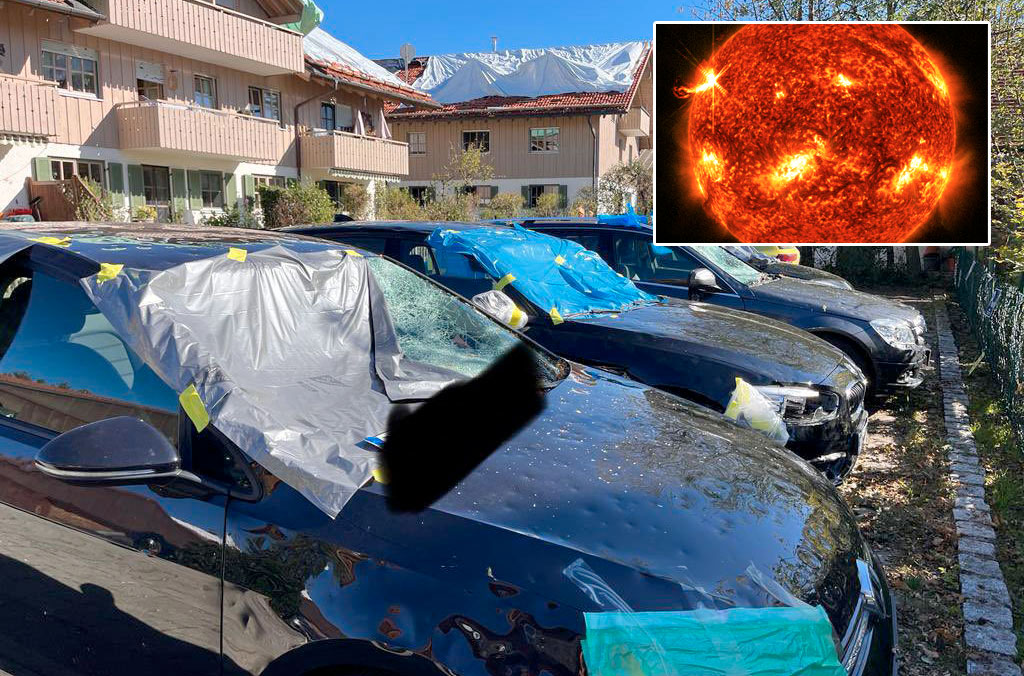
CLIMATEThe United States' government scientific organization, the National Oceanic and Atmospheric Administration (NOAA), predicts zero sunspots from 2031 to 2040. This is an extreme situation that has not occurred in as long as humanity has been counting sunspots, and it leads us into uncharted territory in terms of our solar system. However, this prediction aligns with the warnings of the world-renowned solar researcher Valentina Zharkova for many years, who indicated in 2019 various signs of this catastrophic phenomenon, including the extreme hailstorms we have seen in Europe and the world this summer. The forecast and various observations this year give cause for very significant concern. In this unique analysis, Free West Media explains why.
European Nationalist Parties Forge Cooperation Ahead of EU Elections
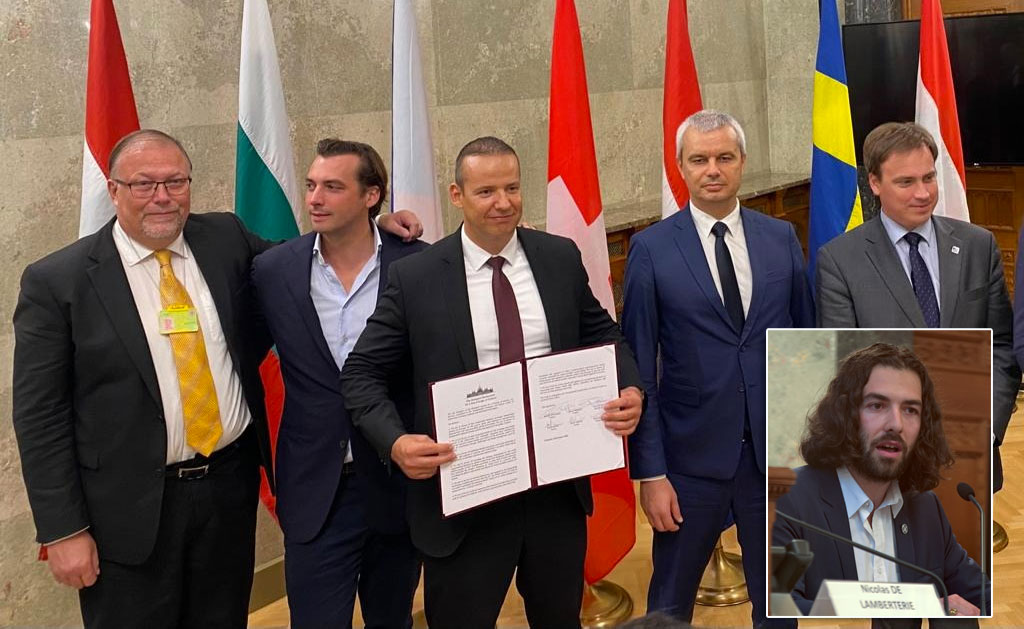
EUROPEAN ELECTIONSOn Saturday, August 26, representatives of six European nationalist parties gathered in Budapest. The meeting was initiated by the Hungarian party Mi Hazánk and took place in the national parliament. Representatives of the parties signed a joint declaration that not only reaffirms the parties' friendship but also their unity on a range of complex political issues. A surprisingly clear and radical manifesto was established. The hope is that this cooperation will lead to success in the EU elections and eventually result in the formation of a group in the European Parliament. For Swedish nationalism, this meeting marks a success as Sweden, for the first time, has a party represented in a leading nationalist cooperation in Europe. Free West Media was present at this historic event.

Turkey Believes Sweden Hasn’t Done Enough
Sweden will have to wait a bit longer for NATO membership, according to Turkey's Justice Minister Jilmaz Tunc. First, Sweden must extradite the "terrorists" Turkey wants and stop the desecration of the Quran.
Swedish Weapon Takes Down Russia’s Best Attack Helicopter
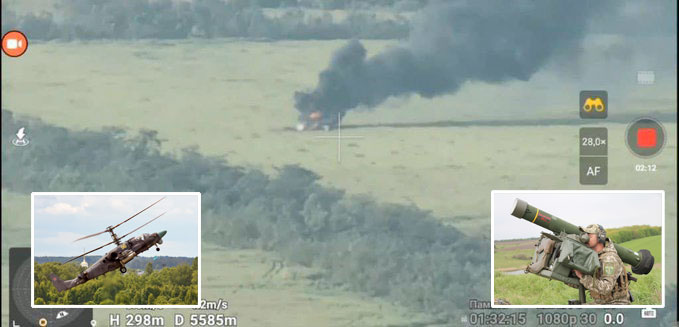
The Russian attack helicopter Ka-52 is considered one of the world's best and has struck fear in Ukraine, where it has hunted down tanks and other armored vehicles, often beyond the range of many light anti-aircraft systems. However, it has met its match in the Swedish air defense missile system RBS 70, which has quickly led to significant losses for the Russian helicopter forces.
Strong Confidence in German AfD
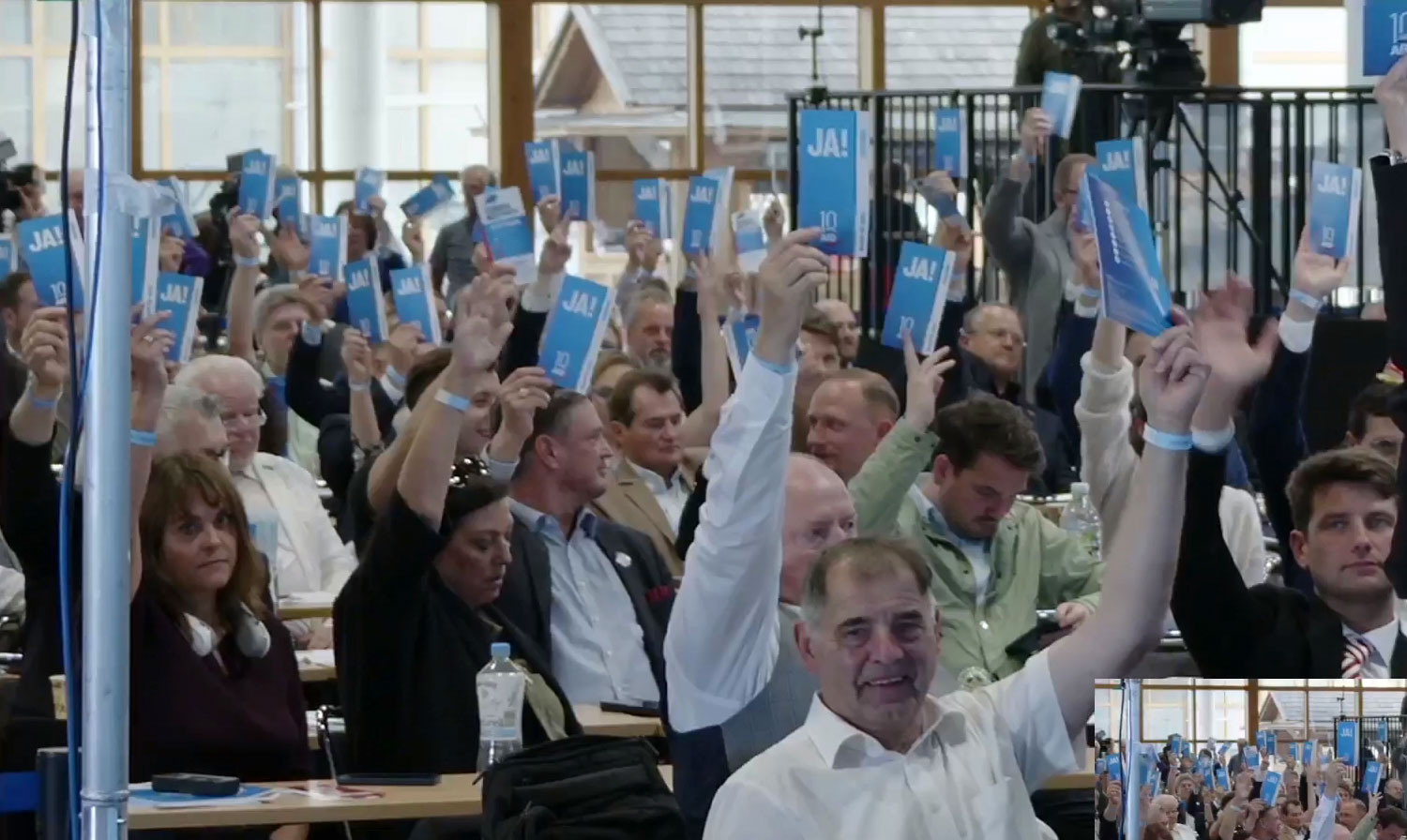
Alternative for Germany (AfD) held a party conference on July 29-30 to select candidates for the upcoming EU election next year. EU Parliament member Maximilian Krah, belonging to the party's more radical, ethnonationalist faction, was appointed as the top candidate. The party's two spokespersons delivered powerful speeches criticizing the EU's failed migration policy and trade sanctions that isolate Europe and Germany from the rest of the world. They argued that it's time for the EU to return a significant portion of its power to national parliaments. However, they have dropped the demand for Germany to exit the EU.
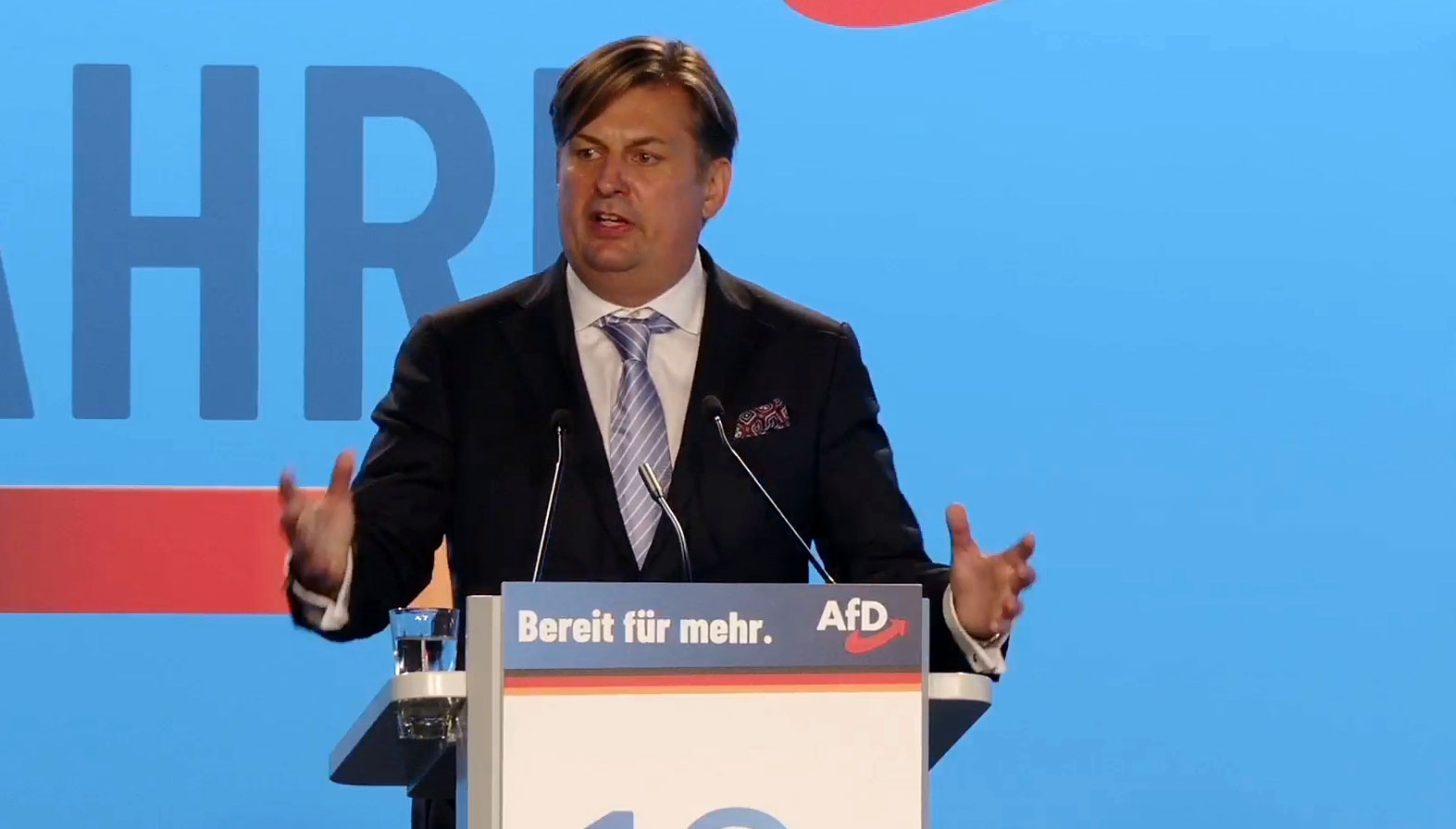
The Establishment Wants to Ban Germany’s Second Largest Party – for the Sake of Democracy
The rising popularity of AfD has raised strong concerns within the establishment. Despite lies and demonization in the media and isolation from the overall political establishment, the party continues to grow. Certain representatives of the party are accused of becoming increasingly "extreme," and in an unusual move, the influential weekly newspaper Der Spiegel demanded that AfD be "banned."
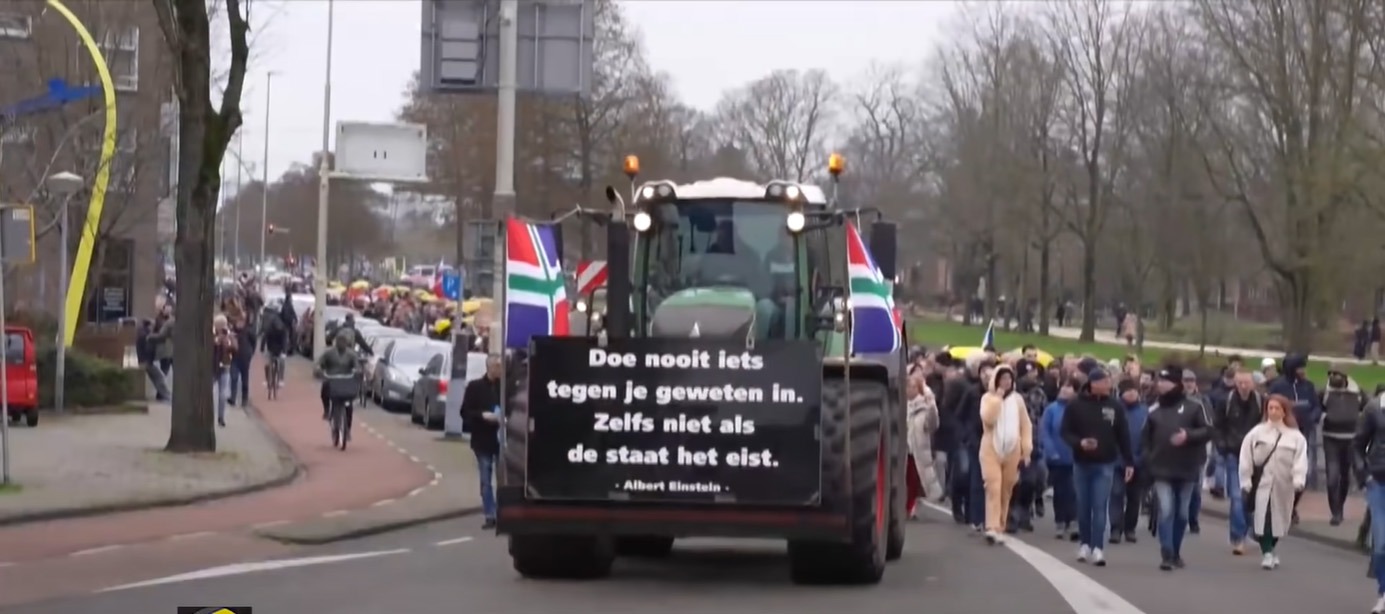
Dutch FvD break through the media blockade
What is happening in the Netherlands? It is often difficult to follow events in other countries, especially when distorted by system media. We give Forum for Democracy (FvD) the opportunity to speak out on the political situation in the Netherlands and the staunch resistance they face in trying to save the country.
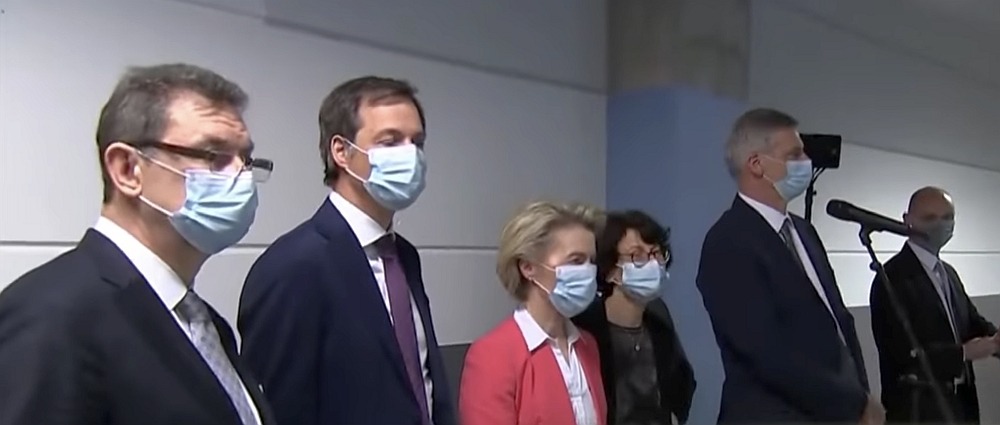
The Ursula von der Leyen Affair
After a criminal complaint in Belgium against the President of the European Commission, the so-called SMS-case, now takes a new turn. The judge responsible for the investigation will likely gain access to the secret messages exchanged between Ursula von der Leyen and Albert Bourla, CEO of Pfizer, at least if they haven't been deleted.
Publisher of Unique Literature Worldwide Blocked by International Distributor
Arktos has distinguished itself by publishing groundbreaking philosophers and social critics. Now, the publisher's international distributor has abruptly terminated the cooperation, and more than 400 already printed titles cannot reach their audience. There is strong evidence that the distributor has been under pressure, something that has also happened in Sweden. We have spoken with Arktos founder Daniel Friberg about the ongoing struggle for freedom of speech in a shrinking cultural corridor.
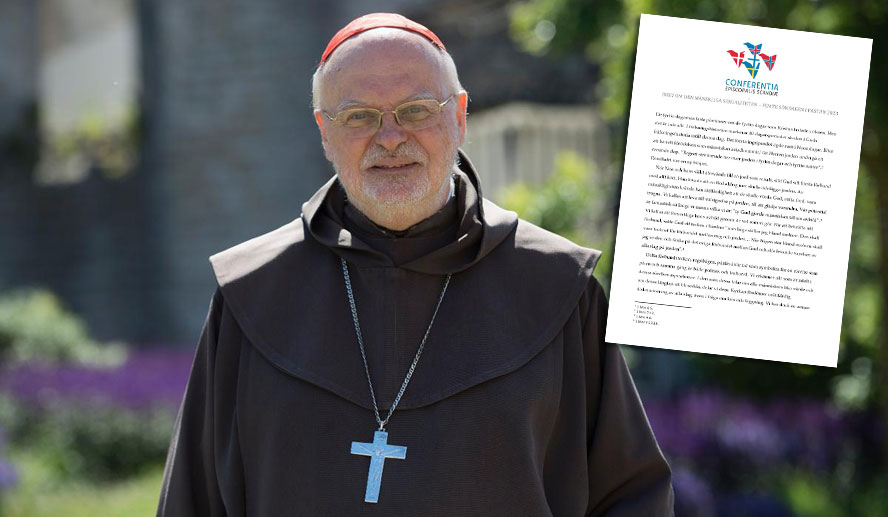
Care prompts bishops to criticize transgender ideology
The Catholic bishops of the Scandinavian countries presented an open five-page letter criticizing transgender ideology on March 21, just before Easter. The document primarily expresses care and advice and was read aloud in Catholic churches in Sweden, Norway, Finland, Denmark, and Iceland. Cardinal Anders Arborelius, Bishop of Stockholm, is one of the signatories of the document.
