

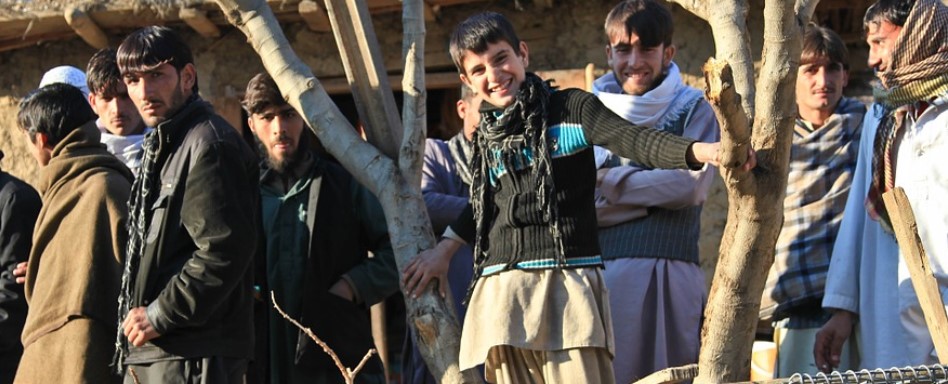
 Group of Afghan men. Photo: Pixabay
German migration researcher expects immigrant share of 40 percent
According to the Berlin migration researcher Herbert Brücker, the proportion of citizens with foreign roots in Germany will rise to over 40 by the year 2040.
Published: November 5, 2019, 8:18 am
“Germany will be more colorful. Currently, about a quarter of people in Germany have a migrant background. In 20 years, it will be at least 35 percent, but could also be over 40 percent,” he told German daily Die Welt.
Frankfurt am Main is a good example of this development, he pointed out. “Every second person there has a migrant background. In Berlin it is about 35 percent. What we see in the big cities today will be normal for the country as a whole.”
But Brücker warned against drawing a wrong picture from the development, saying that there will not be a minority of Germans against a majority of immigrants. The Germans would always be by far the largest group, since the migrants are in themselves a “colourful” group.
With regard to labor migration, the Director of the Department of Economic Migration and Integration Research at Humboldt University pleaded for a common European solution. “We have a common internal market and a common labor market, so that is indeed going to be the issue.”
Germany could meet its labor needs in the future by importing immigrants from the Western Balkans or Ukraine. “Because of the comparatively young population, the Middle East is also relevant.”
Bosnia has meanwhile seen a buildup of Middle Eastern and Asian migrant numbers since nearby EU members Hungary, Slovenia, and Croatia sealed their borders to undocumented migrants. As of 2018, around 35 percent of the migrants in the largest camp were Pakistanis, 20 percent were Afghans, and 20 percent claimed to be from Syria, though an official cast doubt on that figure.
Gabor Stankovic from the European Migrant Smuggling Centre said that Balkan migration route was still a “hot potato” for the EU, adding that “migrations are not a problem of one country, but the entire EU”. Pressure is building in the media against the closing of borders.
Over 20 000 migrants and asylum seekers have arrived in Bosnia since January 2019 but the state did not provide adequate shelter, food, and access to medical assistance to the new arrivals, according to the Organized Crime and Corruption Reporting Project (OCCRP).
The International Organization for Migration (IOM) has been warning of a “fast-developing humanitarian emergency” in one migrant camp near the border with Croatia and “violent and unlawful” pushbacks from Croatia.
The Vučjak tent camp has allegedly been overcrowded with 700 migrants living without running water, electricity, or medical care. On October 16, police transferred around 1 700 more people to the camp from Bihać, the largest town in the area.
Human Right’s Watch and IOM have asked Bosnia and Herzegovina to immediately close the camp with “inhumane conditions”.
But the Minister of Security for Bosnia and Herzegovina Dragan Mektic said at a press conference on Wednesday that despite neighboring countries’ good deal with the issue of migrant crisis, BiH is a consensus-based and coordination-based state.
“In these neighboring countries there are centralized bodies dealing with this crisis, making decisions and respecting them at every level. I didn’t want to talk about some things so far, but I just want to point to the fact that as BiH is regulated, we are not really able to cope with any serious crisis,” Mektic said.
Since August 2018, only 34 migrants have been rejected at the German-Austrian border and sent back to Greece. Two asylum seekers were also turned back to Spain within the past 14 months. This was revealed in a response from the Federal Government to a request from the Left Party, which was published in the Süddeutsche Zeitung.
Last year, Germany negotiated agreements with Greece and Spain, allowing refugees who have already applied for asylum in one of the countries to be sent back without delay when stopped at the German border. According to the Dublin agreement, refugees should apply for asylum in the country they first entered on EU territory.
The domestic spokeswoman for the Left Party, Ulla Jelpke, accused the German administration of breaking the law. The repatriations are not compatible with European law and “not allowed at all”. The Interior Ministry, on the other hand, sees the agreements as a “clear signal against the acceptance of uncontrolled illegal secondary movements”.
From the end of September 2015 to the end of June 2019, the Federal Police stopped around 46 000 people on the German-Austrian border. During the same period about 35 000 people were refused entry.
It is however not clear where most illegal border crossings take place, according to the federal government.
All rights reserved. You have permission to quote freely from the articles provided that the source (www.freewestmedia.com) is given. Photos may not be used without our consent.
Consider donating to support our work
Help us to produce more articles like this. FreeWestMedia is depending on donations from our readers to keep going. With your help, we expose the mainstream fake news agenda.
Keep your language polite. Readers from many different countries visit and contribute to Free West Media and we must therefore obey the rules in, for example, Germany. Illegal content will be deleted.
If you have been approved to post comments without preview from FWM, you are responsible for violations of any law. This means that FWM may be forced to cooperate with authorities in a possible crime investigation.
If your comments are subject to preview by FWM, please be patient. We continually review comments but depending on the time of day it can take up to several hours before your comment is reviewed.
We reserve the right to delete comments that are offensive, contain slander or foul language, or are irrelevant to the discussion.
Europe
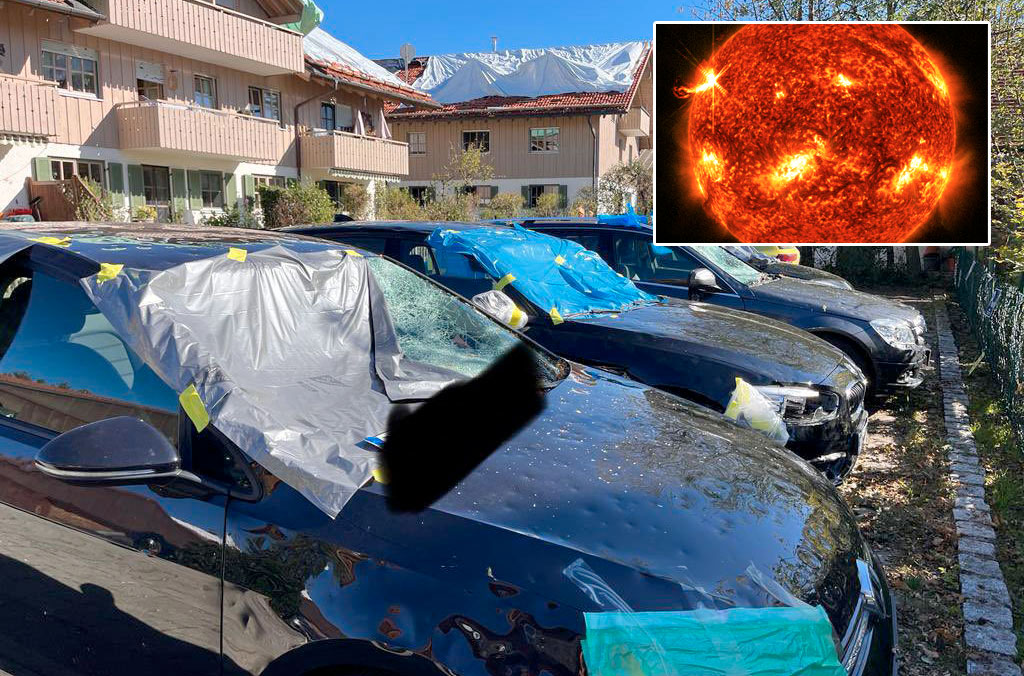
NOAA Predicts Zero Sunspots for Almost the Whole 2030s
CLIMATEThe United States' government scientific organization, the National Oceanic and Atmospheric Administration (NOAA), predicts zero sunspots from 2031 to 2040. This is an extreme situation that has not occurred in as long as humanity has been counting sunspots, and it leads us into uncharted territory in terms of our solar system. However, this prediction aligns with the warnings of the world-renowned solar researcher Valentina Zharkova for many years, who indicated in 2019 various signs of this catastrophic phenomenon, including the extreme hailstorms we have seen in Europe and the world this summer. The forecast and various observations this year give cause for very significant concern. In this unique analysis, Free West Media explains why.
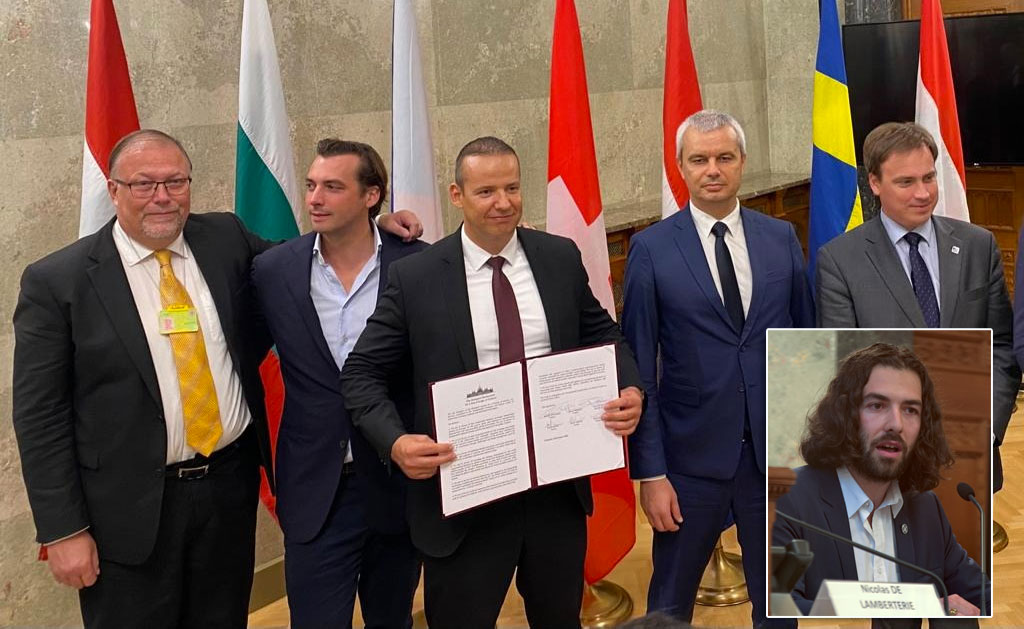
European Nationalist Parties Forge Cooperation Ahead of EU Elections
EUROPEAN ELECTIONSOn Saturday, August 26, representatives of six European nationalist parties gathered in Budapest. The meeting was initiated by the Hungarian party Mi Hazánk and took place in the national parliament. Representatives of the parties signed a joint declaration that not only reaffirms the parties' friendship but also their unity on a range of complex political issues. A surprisingly clear and radical manifesto was established. The hope is that this cooperation will lead to success in the EU elections and eventually result in the formation of a group in the European Parliament. For Swedish nationalism, this meeting marks a success as Sweden, for the first time, has a party represented in a leading nationalist cooperation in Europe. Free West Media was present at this historic event.
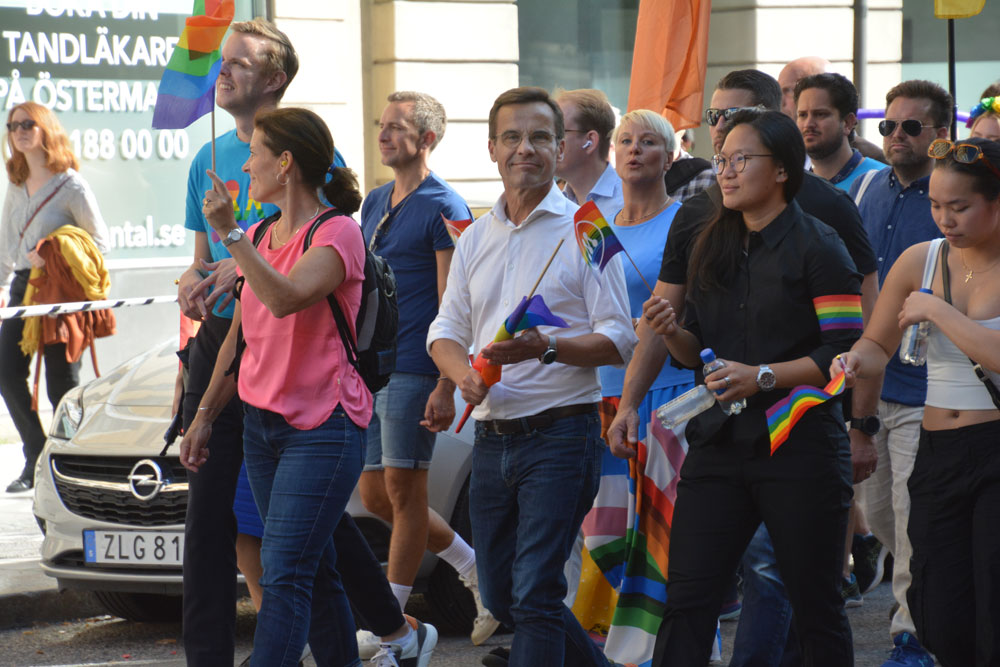
Turkey Believes Sweden Hasn’t Done Enough
Sweden will have to wait a bit longer for NATO membership, according to Turkey's Justice Minister Jilmaz Tunc. First, Sweden must extradite the "terrorists" Turkey wants and stop the desecration of the Quran.
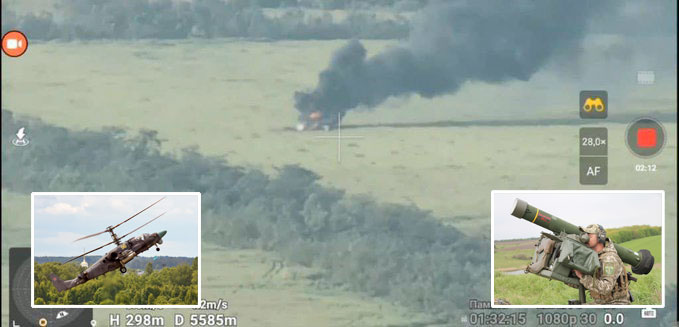
Swedish Weapon Takes Down Russia’s Best Attack Helicopter
The Russian attack helicopter Ka-52 is considered one of the world's best and has struck fear in Ukraine, where it has hunted down tanks and other armored vehicles, often beyond the range of many light anti-aircraft systems. However, it has met its match in the Swedish air defense missile system RBS 70, which has quickly led to significant losses for the Russian helicopter forces.
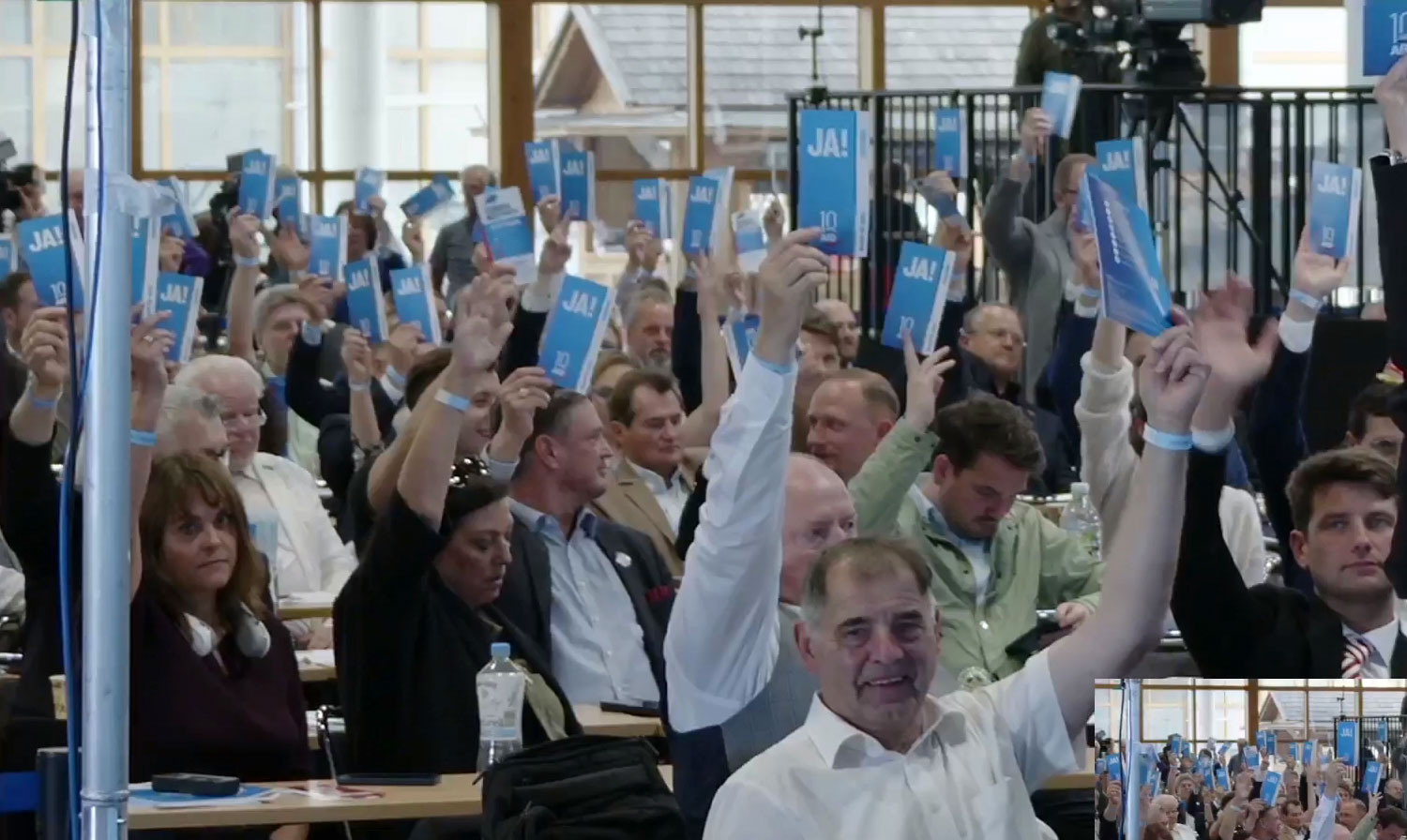
Strong Confidence in German AfD
Alternative for Germany (AfD) held a party conference on July 29-30 to select candidates for the upcoming EU election next year. EU Parliament member Maximilian Krah, belonging to the party's more radical, ethnonationalist faction, was appointed as the top candidate. The party's two spokespersons delivered powerful speeches criticizing the EU's failed migration policy and trade sanctions that isolate Europe and Germany from the rest of the world. They argued that it's time for the EU to return a significant portion of its power to national parliaments. However, they have dropped the demand for Germany to exit the EU.
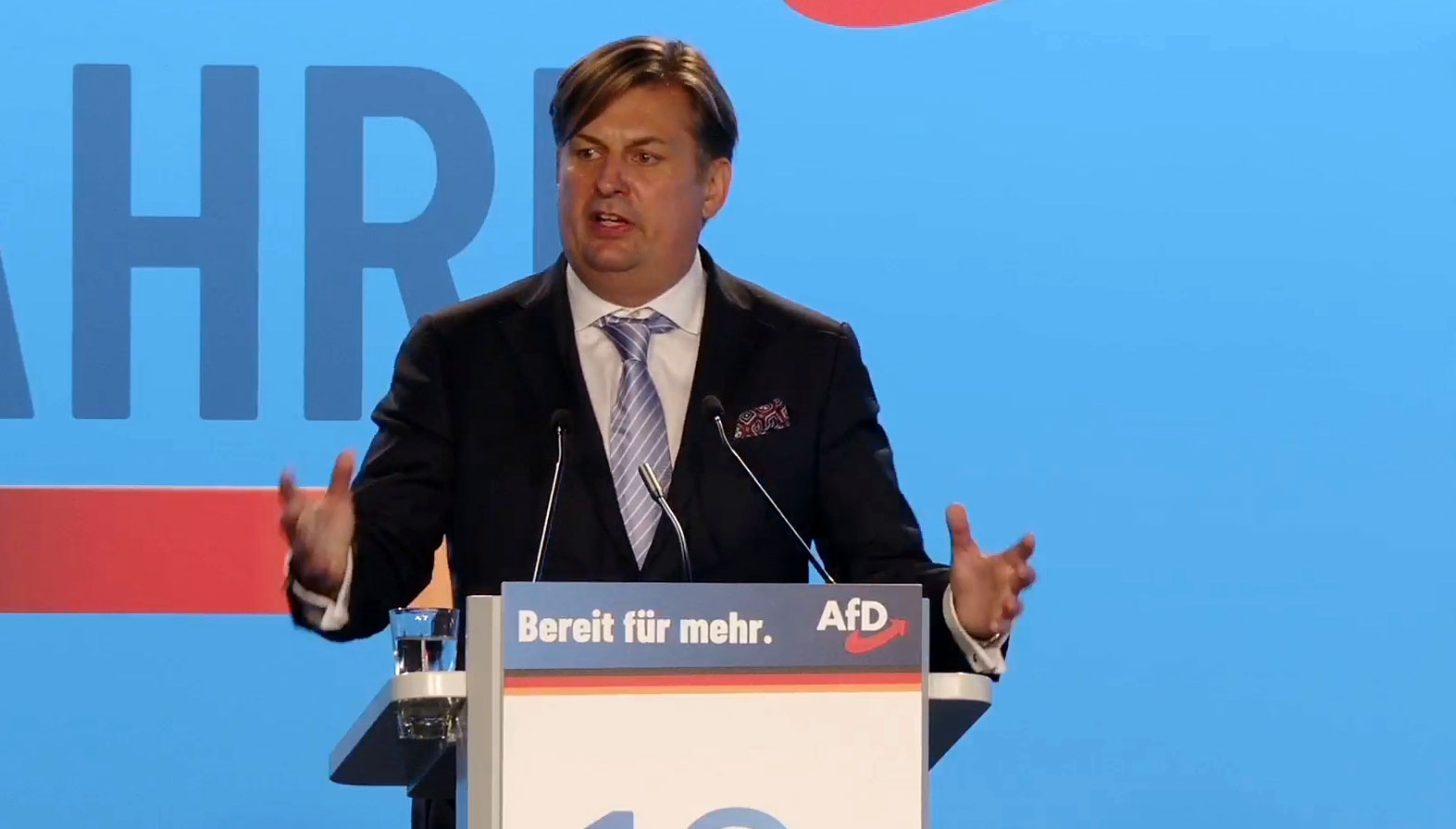
The Establishment Wants to Ban Germany’s Second Largest Party – for the Sake of Democracy
The rising popularity of AfD has raised strong concerns within the establishment. Despite lies and demonization in the media and isolation from the overall political establishment, the party continues to grow. Certain representatives of the party are accused of becoming increasingly "extreme," and in an unusual move, the influential weekly newspaper Der Spiegel demanded that AfD be "banned."

Dutch FvD break through the media blockade
What is happening in the Netherlands? It is often difficult to follow events in other countries, especially when distorted by system media. We give Forum for Democracy (FvD) the opportunity to speak out on the political situation in the Netherlands and the staunch resistance they face in trying to save the country.
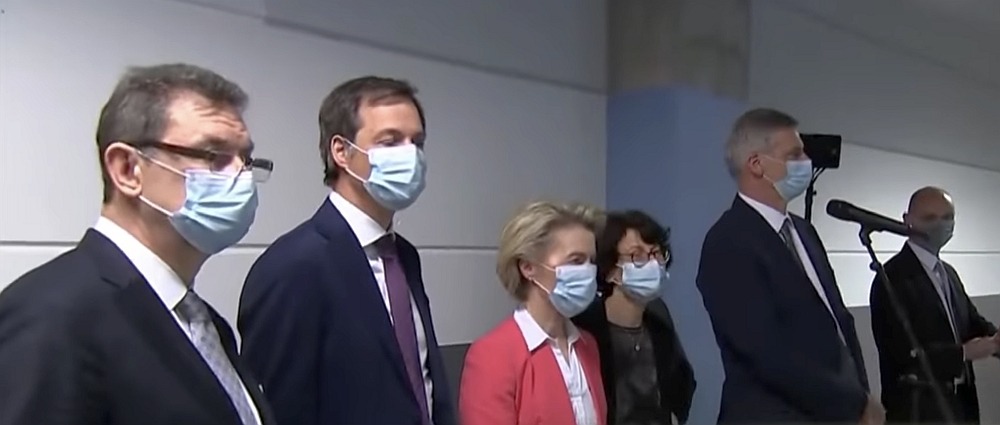
The Ursula von der Leyen Affair
After a criminal complaint in Belgium against the President of the European Commission, the so-called SMS-case, now takes a new turn. The judge responsible for the investigation will likely gain access to the secret messages exchanged between Ursula von der Leyen and Albert Bourla, CEO of Pfizer, at least if they haven't been deleted.
Publisher of Unique Literature Worldwide Blocked by International Distributor
Arktos has distinguished itself by publishing groundbreaking philosophers and social critics. Now, the publisher's international distributor has abruptly terminated the cooperation, and more than 400 already printed titles cannot reach their audience. There is strong evidence that the distributor has been under pressure, something that has also happened in Sweden. We have spoken with Arktos founder Daniel Friberg about the ongoing struggle for freedom of speech in a shrinking cultural corridor.
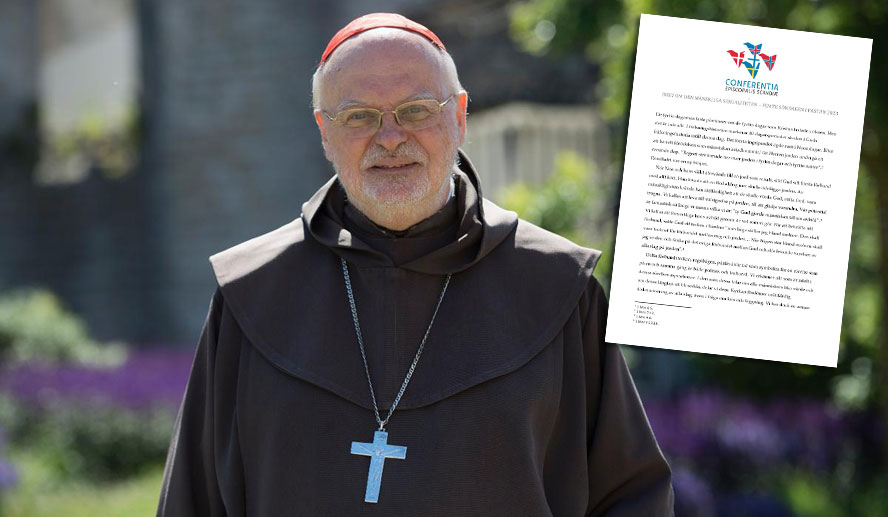
Care prompts bishops to criticize transgender ideology
The Catholic bishops of the Scandinavian countries presented an open five-page letter criticizing transgender ideology on March 21, just before Easter. The document primarily expresses care and advice and was read aloud in Catholic churches in Sweden, Norway, Finland, Denmark, and Iceland. Cardinal Anders Arborelius, Bishop of Stockholm, is one of the signatories of the document.
