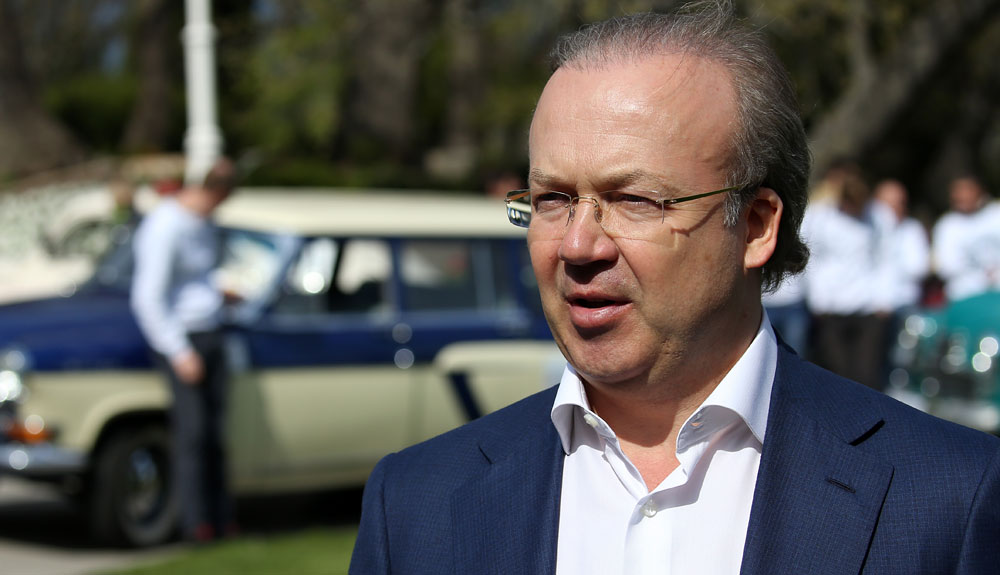
 Andrey Nazarov
‘Crimea can soon be the Russian Monaco’
Andrey Nazarov, co-chair of the All-Russian Civic Organisation “Business Russia” (Delovaya Rossiya) in an exclusive Free West Media-interview about the huge business opportunities for the Russian peninsula Crimea.
Published: May 14, 2017, 7:57 pm
Mr. Nazarov, many European MPs and MEPs attended to the Yalta International Economic Forum 2017 (YIEF). Officially Europeans are told by their authorities not to enter Crimea because it is called an “occupied territory”. Do you see it as a success that more and more Europeans are not obeying Brussels’ orders?
Nazarov: Sure there’s every reason to say that we’re seeing positive trends: The forum has brought a real breakthrough in Russia’s relations with other countries. Every year we’re acquiring new allies from abroad who come to Crimea and then go back and tell their people about what the situation is really like here and that is definitely very positive.
We have to remember that investments in Crimea mean cooperation and investments in Russia and that means huge opportunities for international business.
This year, despite the difficult political situation, the sanctions and a lot of political pressure, leading politicians and big business representatives (more than 200 delegates) from 46 countries came to “build bridges” with Crimea. We had delegates from Italy, Austria, Germany, France, Romania, Cyprus, Greece, the Czech Republic, Ireland, Switzerland, Turkey, China, Japan, Vietnam and other countries.
It should be noted that every year we’re seeing delegates from an ever increase range of the political and business spectre, and every year more and more important people are coming. In addition to investors and entrepreneurs who are interested in doing business in Crimea, we’ve got members of the European parliament, members of national parliaments and regional councils, representatives of major political parties and the executive branch, municipalities, most of whom hold important management positions in their organisations.
Crimea is an integral part of Russia because it was the choice the Crimeans made in a democratic referendum in 2014. So it’s pretty clear that this increase in the interests foreigners are taking in the Yalta International Economic Forum, stems from the fact that they share the position of the Crimeans and that there are a lot of people in the EU who disagree with Brussels’ official policy. Business does not want and should not lose money to serve somebody else’s interests. Business must grow and make money, seeking out new area of cooperation and new markets. In effect, foreign participants in the Yalta forum are campaigning for an end to the sanctions against Russia and, in all probability, are bringing it closer.
The relations between Europe and Russia are tense because of the sanctions regime. Especially business relations to Crimea suffer because of the sanctions. How can the YIEF help in getting into normal relations again?
Nazarov: It’s not just Russia and Crimea that are incurring losses because of the sanctions. Preliminary estimates suggest the EU’s budget is losing some 60 billion EUR. The EU has lost some 400 000 jobs while their output fell by EUR 17.5 billion. This is one of the reasons why European businesses are going to Crimea to build relations. In this sense, our forum gives investors and politicians an opportunity to visit the peninsula and see with their own eyes what the business climate there is like. When they go back, they’ll tell their compatriots how Crimea is developing, how to do business here, what opportunities exist here for specific projects. This dialogue will help establish cooperation and trade. Think about it: This year more than 30 agreements worth over 100 billion RUB were signed at the form and a lot of Crimean cities became sister cities with foreign regions.
In addition, at the forum our foreign delegates suggested creating an international club of friends of Crimea, a unique proposal that’s already been drafted on paper. The idea is to set up an organisation for foreign citizens that care about Crimea and its residents and who support their choice. The main mission of the members of the club will be to promote Crimea and get it involved in international economic and cultural cooperation.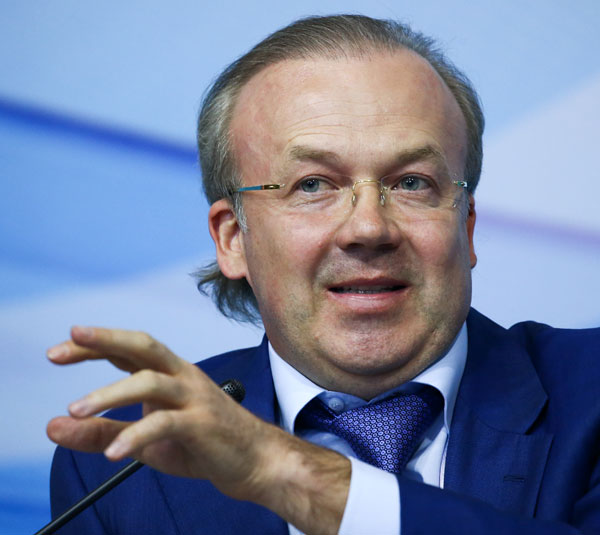
How would you describe the business opportunities for European commerce especially in Crimea?
Nazarov: In my opinion, Crimea is one of the best territories for European business. There’s still growth potential here for traditional European markets such as tourism, agriculture, wine making and many others. The peninsula offers the same basic conditions as in Europe but there are several orders of magnitude less competition. One example is yachting. The French Riviera and the Italian coast are already packed full of white yachts, it’s practically impossible to penetrate that market but in Crimea yachting is still a relatively new business with plenty of growth potential. Or take farming, a popular and profitable sector but Europe doesn’t have much land left for it, and Crimea does. Crimea also offers huge opportunities for industry, after all its strategically position in the middle of Europe at a crossroads of several important transport routes.
Everybody understands that the sanctions will end sooner or later and truth be told the way I see it the much greater risk for European entrepreneurs is that a lot of them may lose precious time right now and somebody else will beat them to it and occupy all these vacant niches that exist here today.
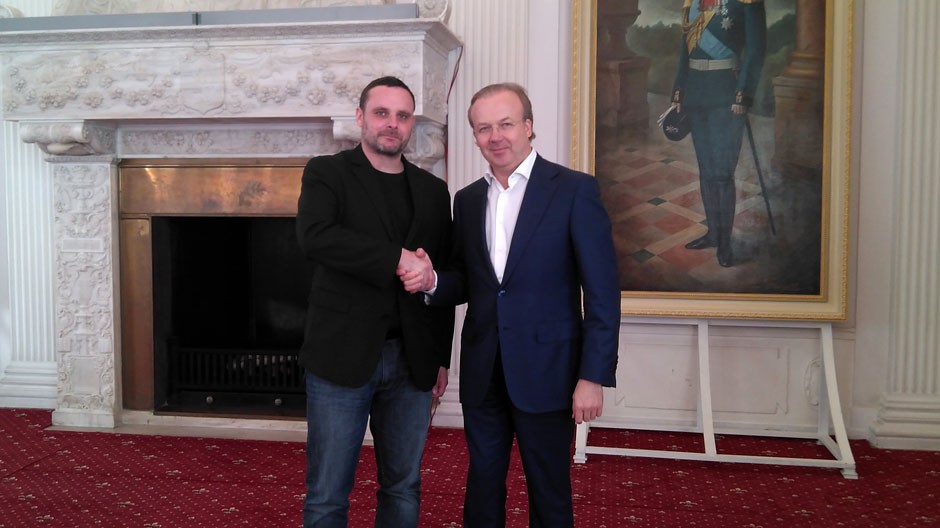
Manuel Ochsenreiter and Andrey Nazarov after the interview.
Crimea still suffers being “cut off” from the Russian motherland. Right now the only way to get to Crimea is via plane to Simferopol airport for Europeans. How is the infrastructural development in general?
Nazarov: At the moment the bulk of investments being made in Crimea are aimed at developing the regional infrastructure and improving logistics to ease trade and transportation of cargo from the mainland as well as to attract more tourists. By late 2018 when the Kerch bridge opens, the new passenger terminal at Simferopol airport will go into operation as well and let me tell you it’s got every chance at becoming the new architectural avatar for Crimea. I mean, next year, the peninsula’s throughput capacity will exceed 24 million passages. Businesses see a lot of opportunities in that, seeing how all these people are going to need accommodation, so naturally both Russian and foreign developers, global hotel and restaurant chains are already flocking to Crimea to capitalise on that.
What is your “vision” of the future of Crimea?
Nazarov: In the three years that the peninsula has been part of Russia, it has changed beyond all recognition: massive work has been carried out to restore the infrastructure, ensure economic stability and attract investors and those are all things that were allowed to go to waste while Crimea was in Ukraine. I am convinced that as soon as the sanctions and other political restrictions are lifted, Crimea will experience a huge investment boom.
Over the next several years, thanks to state programmes and the support we’re getting from the investors that are already working to develop the region, we expect to see two-fold growth of the economy and drastic improvements in infrastructure and the environment as a whole. I’ve said it over and over again, several years from now – Crimea’s economic growth has every chance to turn it into a global economic cooperation zone, a kind of a Russian Monaco.
All rights reserved. You have permission to quote freely from the articles provided that the source (www.freewestmedia.com) is given. Photos may not be used without our consent.
Consider donating to support our work
Help us to produce more articles like this. FreeWestMedia is depending on donations from our readers to keep going. With your help, we expose the mainstream fake news agenda.
Keep your language polite. Readers from many different countries visit and contribute to Free West Media and we must therefore obey the rules in, for example, Germany. Illegal content will be deleted.
If you have been approved to post comments without preview from FWM, you are responsible for violations of any law. This means that FWM may be forced to cooperate with authorities in a possible crime investigation.
If your comments are subject to preview by FWM, please be patient. We continually review comments but depending on the time of day it can take up to several hours before your comment is reviewed.
We reserve the right to delete comments that are offensive, contain slander or foul language, or are irrelevant to the discussion.
Europe
Swedish military wants to remilitarize the Åland Islands
The demilitarized autonomy has previously been known as 'the islands of peace.
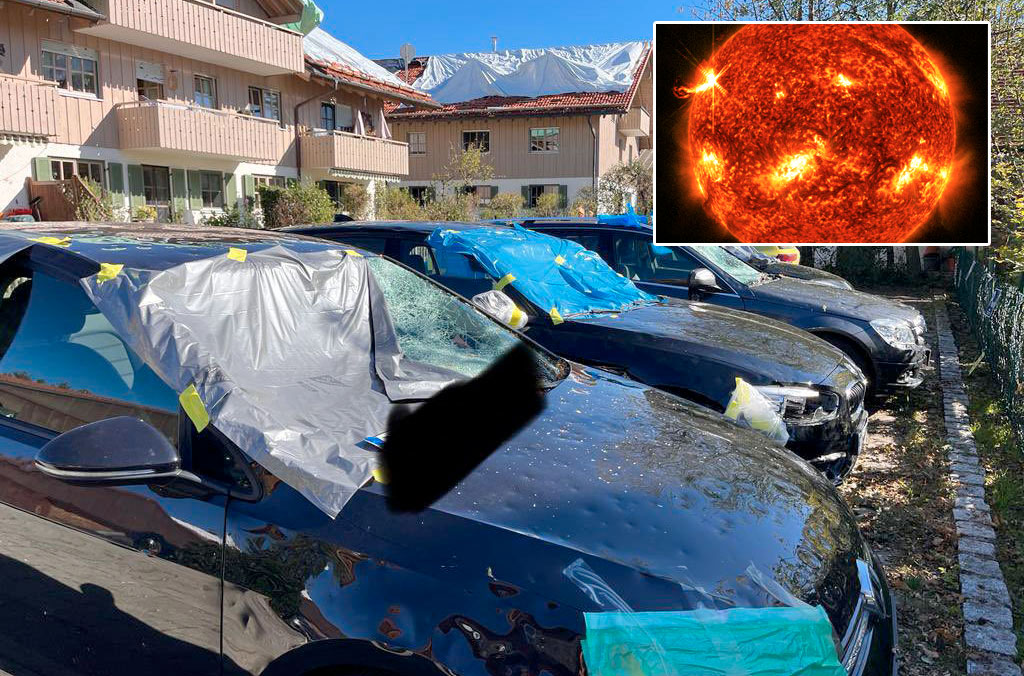
NOAA Predicts Zero Sunspots for Almost the Whole 2030s
CLIMATEThe United States' government scientific organization, the National Oceanic and Atmospheric Administration (NOAA), predicts zero sunspots from 2031 to 2040. This is an extreme situation that has not occurred in as long as humanity has been counting sunspots, and it leads us into uncharted territory in terms of our solar system. However, this prediction aligns with the warnings of the world-renowned solar researcher Valentina Zharkova for many years, who indicated in 2019 various signs of this catastrophic phenomenon, including the extreme hailstorms we have seen in Europe and the world this summer. The forecast and various observations this year give cause for very significant concern. In this unique analysis, Free West Media explains why.
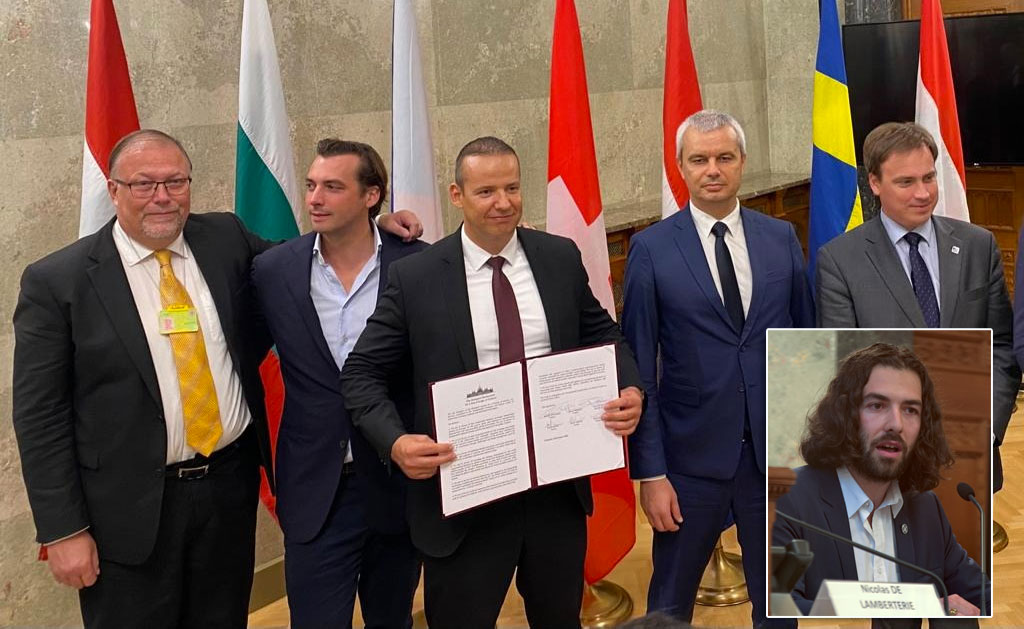
European Nationalist Parties Forge Cooperation Ahead of EU Elections
EUROPEAN ELECTIONSOn Saturday, August 26, representatives of six European nationalist parties gathered in Budapest. The meeting was initiated by the Hungarian party Mi Hazánk and took place in the national parliament. Representatives of the parties signed a joint declaration that not only reaffirms the parties' friendship but also their unity on a range of complex political issues. A surprisingly clear and radical manifesto was established. The hope is that this cooperation will lead to success in the EU elections and eventually result in the formation of a group in the European Parliament. For Swedish nationalism, this meeting marks a success as Sweden, for the first time, has a party represented in a leading nationalist cooperation in Europe. Free West Media was present at this historic event.
Turkey Believes Sweden Hasn’t Done Enough
Sweden will have to wait a bit longer for NATO membership, according to Turkey's Justice Minister Jilmaz Tunc. First, Sweden must extradite the "terrorists" Turkey wants and stop the desecration of the Quran.
Swedish Weapon Takes Down Russia’s Best Attack Helicopter
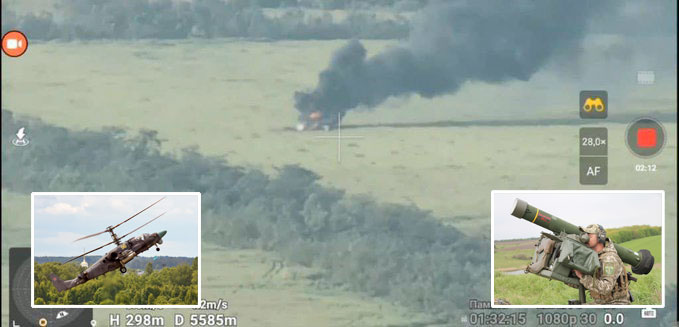
The Russian attack helicopter Ka-52 is considered one of the world's best and has struck fear in Ukraine, where it has hunted down tanks and other armored vehicles, often beyond the range of many light anti-aircraft systems. However, it has met its match in the Swedish air defense missile system RBS 70, which has quickly led to significant losses for the Russian helicopter forces.
Strong Confidence in German AfD
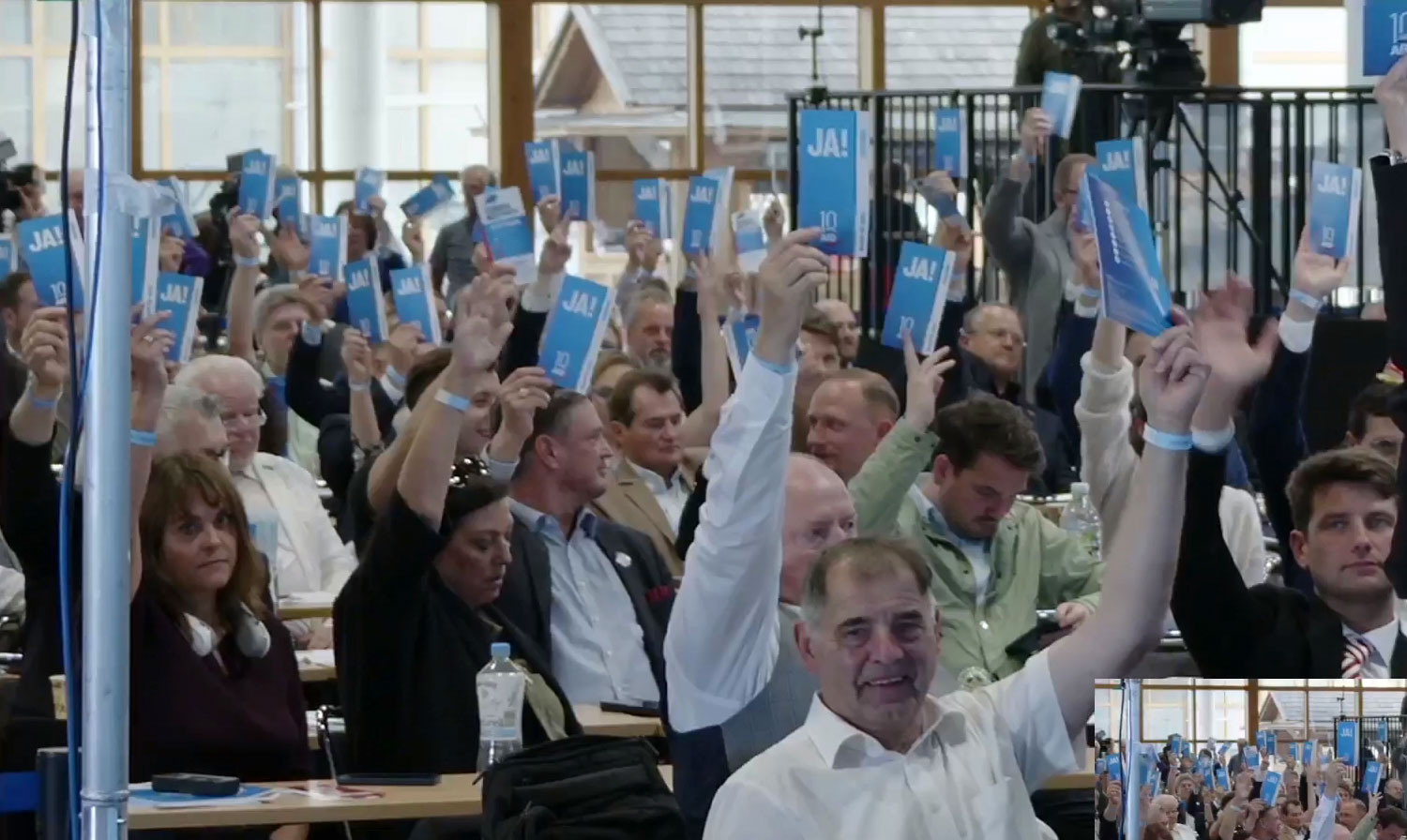
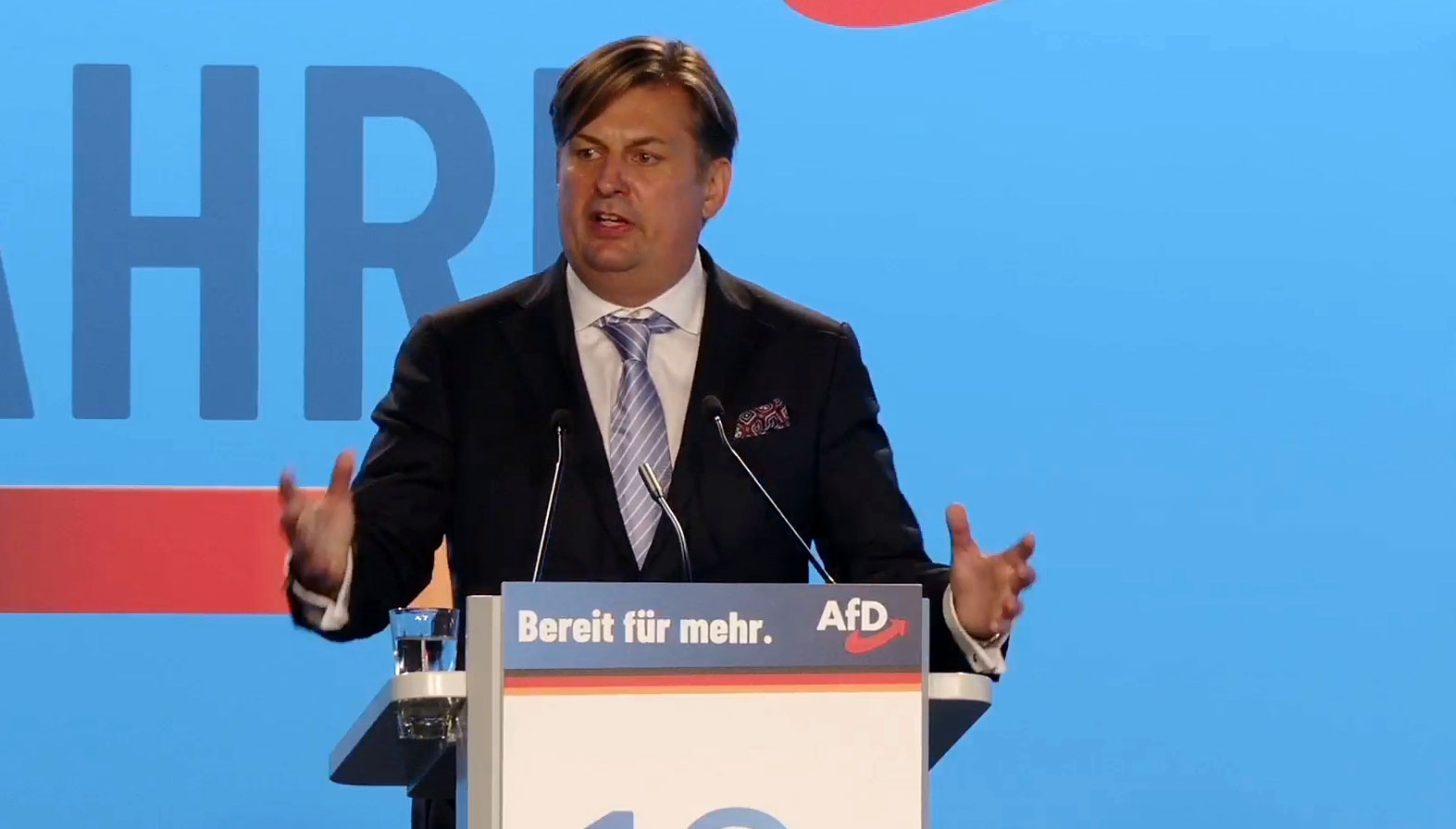
Alternative for Germany (AfD) held a party conference on July 29-30 to select candidates for the upcoming EU election next year. EU Parliament member Maximilian Krah, belonging to the party's more radical, ethnonationalist faction, was appointed as the top candidate. The party's two spokespersons delivered powerful speeches criticizing the EU's failed migration policy and trade sanctions that isolate Europe and Germany from the rest of the world. They argued that it's time for the EU to return a significant portion of its power to national parliaments. However, they have dropped the demand for Germany to exit the EU.
The Establishment Wants to Ban Germany’s Second Largest Party – for the Sake of Democracy
The rising popularity of AfD has raised strong concerns within the establishment. Despite lies and demonization in the media and isolation from the overall political establishment, the party continues to grow. Certain representatives of the party are accused of becoming increasingly "extreme," and in an unusual move, the influential weekly newspaper Der Spiegel demanded that AfD be "banned."
Dutch FvD break through the media blockade
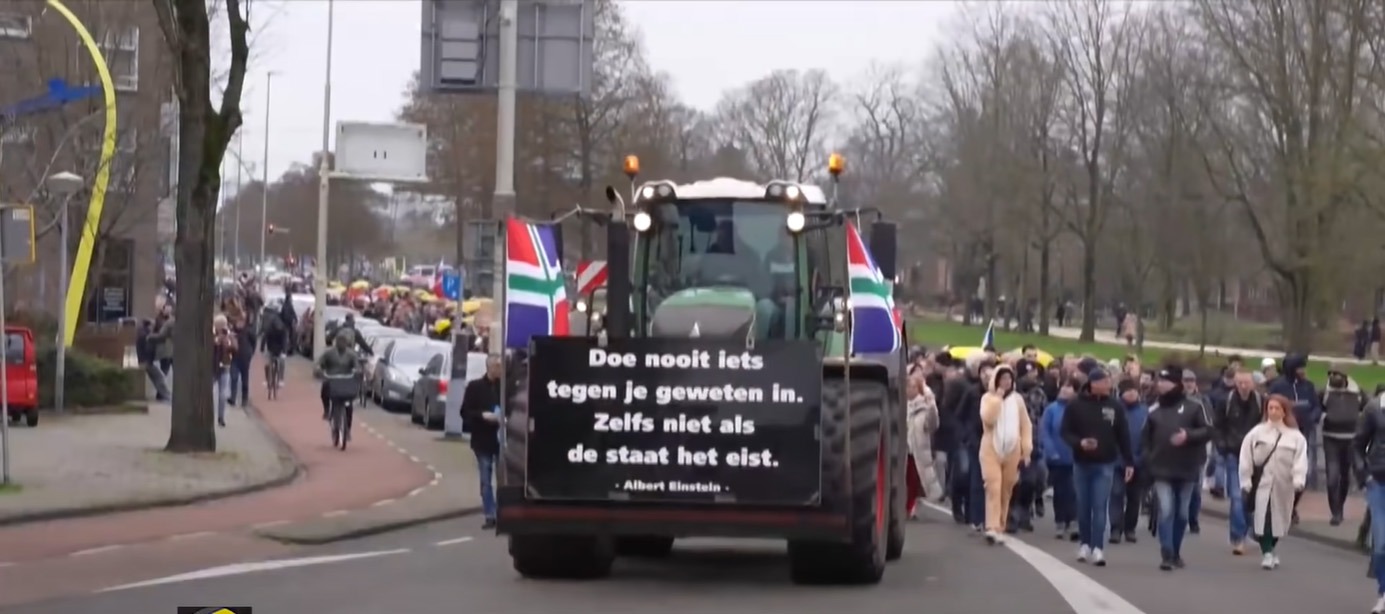
What is happening in the Netherlands? It is often difficult to follow events in other countries, especially when distorted by system media. We give Forum for Democracy (FvD) the opportunity to speak out on the political situation in the Netherlands and the staunch resistance they face in trying to save the country.
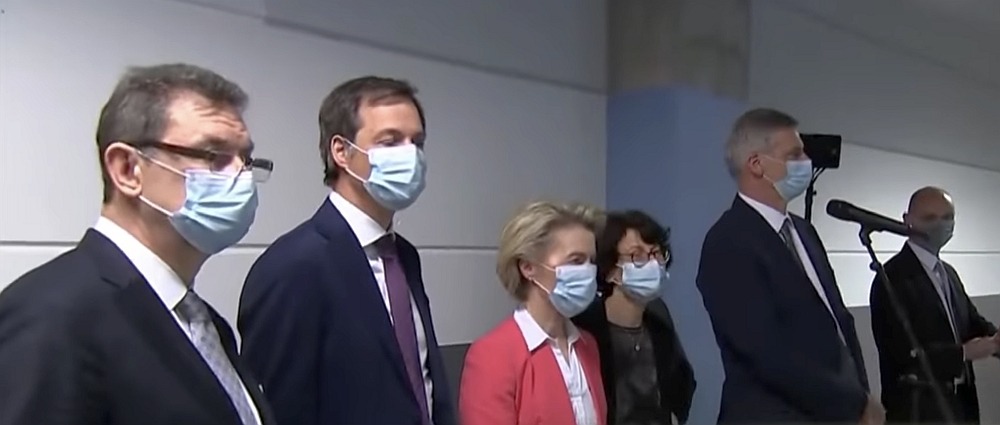
The Ursula von der Leyen Affair
After a criminal complaint in Belgium against the President of the European Commission, the so-called SMS-case, now takes a new turn. The judge responsible for the investigation will likely gain access to the secret messages exchanged between Ursula von der Leyen and Albert Bourla, CEO of Pfizer, at least if they haven't been deleted.
Publisher of Unique Literature Worldwide Blocked by International Distributor
Arktos has distinguished itself by publishing groundbreaking philosophers and social critics. Now, the publisher's international distributor has abruptly terminated the cooperation, and more than 400 already printed titles cannot reach their audience. There is strong evidence that the distributor has been under pressure, something that has also happened in Sweden. We have spoken with Arktos founder Daniel Friberg about the ongoing struggle for freedom of speech in a shrinking cultural corridor.
