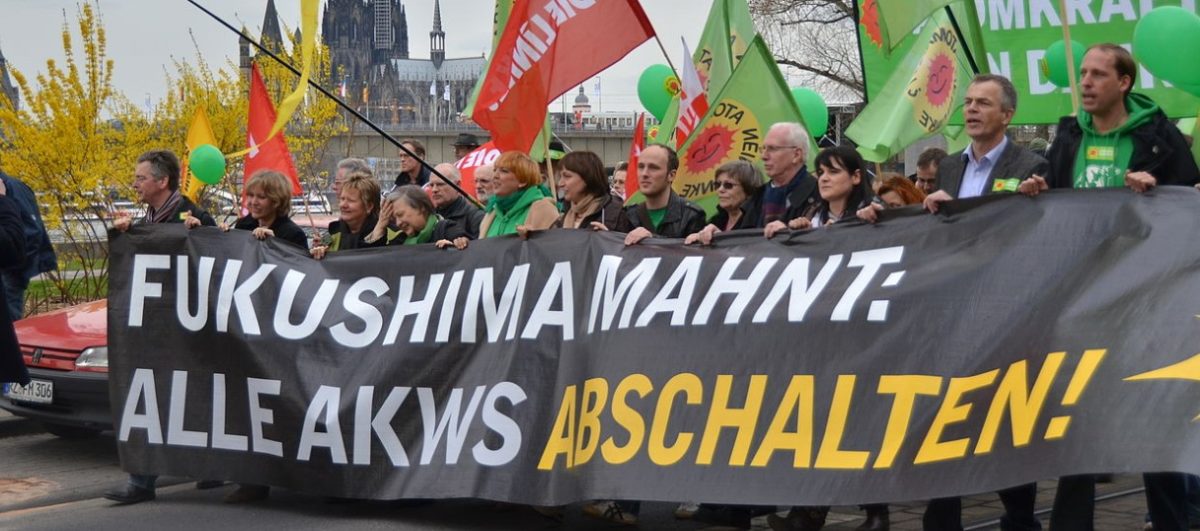
 Across the Rhine, German Greens protest against nuclear power in Cologne, Germany on 26 March 2011. Wikipedia. CC BY-SA 2.0
French increasingly in favour of nuclear energy
The tsunami responsible for the accident at the Daiichi nuclear power plant in Fukushima, Japan, seriously damaged the image of this energy. Nevertheless, the French are mostly in favour of nuclear as the energy of the future, according to a poll conducted for EDF, France's multinational electric utility company.
Published: March 11, 2021, 11:09 am
Paris
The latest poll, carried out in February, has given the EDF a reason to smile: 43 percent of those questioned believe that nuclear power is the energy of the future, against 30 percent convinced otherwise. “The opposition rate has never been so low. You have to go back to 1986, the date of the Chernobyl accident, to find such figures,” explained Didier Witkowski, head of studies at EDF.
It was ten years ago: The tsunami responsible for the accident at the Daiichi nuclear power plant in Fukushima. The EDF, which has been carrying out surveys for years on the perception that the French have of the atom, had identified this image setback.
In July 2011, a few months after the event, confidence fell sharply: the share of French people who saw nuclear energy as the energy of the future plummeted from 52 to 34 percent.
But it is above all the election of Socialist Party member François Hollande which dealt it a blow. A few months before the arrival of the leftist at the Élysée, the Socialists (PS) and the Ecologists (EELV) had been negotiating an electoral agreement that included the closure of the Fessenheim nuclear plant and the phasing-out of a nuclear option in France.
At the end of last year, President Macron turned the tables, stating publicly that “France’s energy and ecological future depends on nuclear power”. Another explanation for this renewed interest of the French: electric energy has a bright future, especially to power cars. Thus for the French, nuclear power ensures reliable and stable electricity production, which, moreover, does not depend on other countries.
The fight surrounding climate change has however given a serious boost to French power plants. According to the ElectricityMap site, the atom emits only 12 grams of CO2 per kilowatt hour produced, against 45 grams for solar and 490 grams for natural gas. Admittedly, not everyone perceives this advantage, but it is especially known to “opinion leaders”, as pollsters say. Ordinary French people are rather hesitant, probably for lack of information.
In another survey conducted by the EDF on nuclear power, when asked whether they were “favorable”, “unfavorable”, “hesitant” or “no answer”, 35 percent of those polled did not express an opinion; ten years ago, this score was three times lower.
There remained, on the other hand, two worrying elements on which the French were more or less consistent. First of all, there is the problem of radioactive waste and the second is the danger posed by power plants in the event of an accident or terrorist attack, in particular.
In order to limit its polluting emissions, Finland also wishes to increase the share of nuclear power in its energy production. Even environmentalists agree. The powerful Green party has expressed its support for nuclear power to limit CO2 emissions.
“The Greens are not categorically against the construction of small nuclear reactors as a means of combating climate change,” said the president of the environmental party, also Minister of the Interior, Maria Ohisalo.
While Finnish environmentalists are not really enthusiastic about the construction of new powerful nuclear power stations like the EPR of Olkiluoto, in the south of the country, which should enter into service next year, they adhere to the target and the means decided by the government: to increase the share of nuclear power to 50 percent, against around the current 30 percent, and to exit from coal by 2030.
In France and Germany, the Ecologists and Greens have taken the opposite path, by wanting to reduce the atomic share from more than 70 to 50 percent by 2025, in favour of renewable energies.
All rights reserved. You have permission to quote freely from the articles provided that the source (www.freewestmedia.com) is given. Photos may not be used without our consent.
Consider donating to support our work
Help us to produce more articles like this. FreeWestMedia is depending on donations from our readers to keep going. With your help, we expose the mainstream fake news agenda.
Keep your language polite. Readers from many different countries visit and contribute to Free West Media and we must therefore obey the rules in, for example, Germany. Illegal content will be deleted.
If you have been approved to post comments without preview from FWM, you are responsible for violations of any law. This means that FWM may be forced to cooperate with authorities in a possible crime investigation.
If your comments are subject to preview by FWM, please be patient. We continually review comments but depending on the time of day it can take up to several hours before your comment is reviewed.
We reserve the right to delete comments that are offensive, contain slander or foul language, or are irrelevant to the discussion.
Europe
Swedish military wants to remilitarize the Åland Islands
The demilitarized autonomy has previously been known as 'the islands of peace.
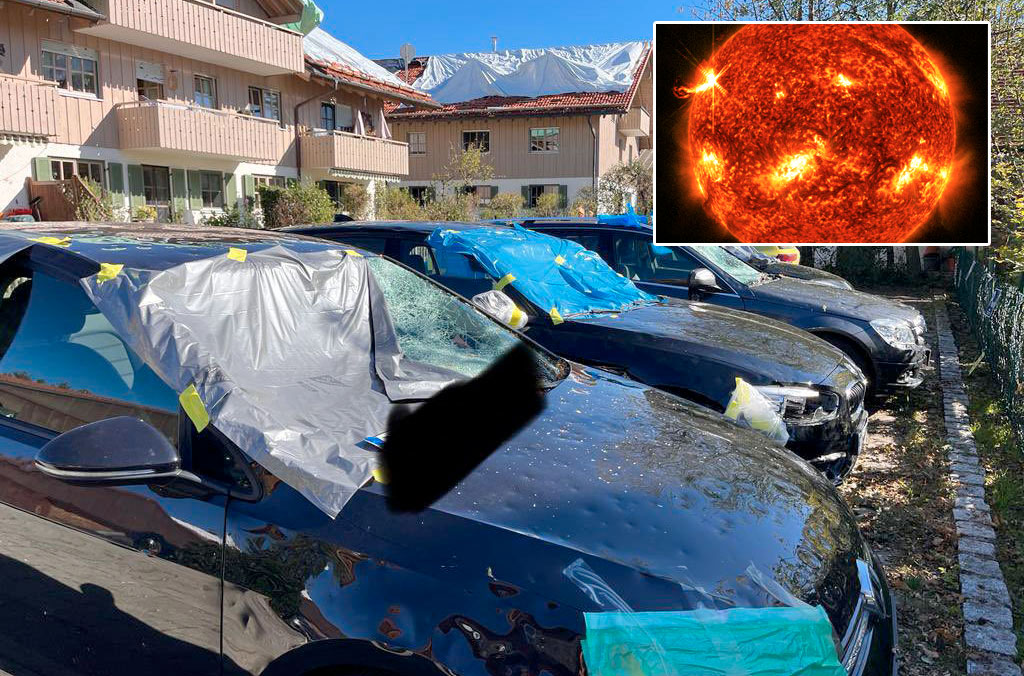
NOAA Predicts Zero Sunspots for Almost the Whole 2030s
CLIMATEThe United States' government scientific organization, the National Oceanic and Atmospheric Administration (NOAA), predicts zero sunspots from 2031 to 2040. This is an extreme situation that has not occurred in as long as humanity has been counting sunspots, and it leads us into uncharted territory in terms of our solar system. However, this prediction aligns with the warnings of the world-renowned solar researcher Valentina Zharkova for many years, who indicated in 2019 various signs of this catastrophic phenomenon, including the extreme hailstorms we have seen in Europe and the world this summer. The forecast and various observations this year give cause for very significant concern. In this unique analysis, Free West Media explains why.
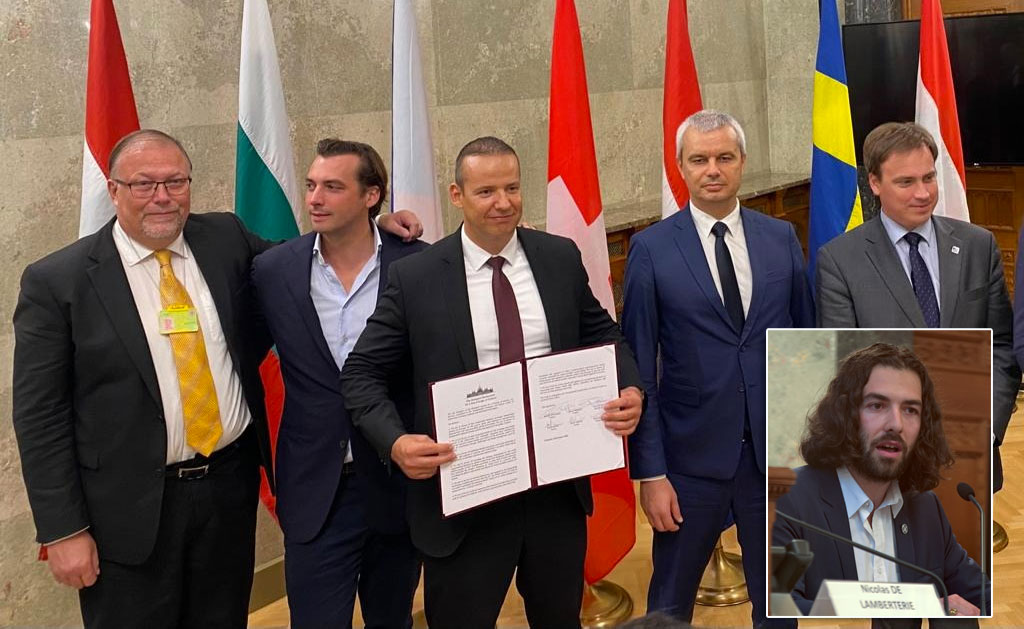
European Nationalist Parties Forge Cooperation Ahead of EU Elections
EUROPEAN ELECTIONSOn Saturday, August 26, representatives of six European nationalist parties gathered in Budapest. The meeting was initiated by the Hungarian party Mi Hazánk and took place in the national parliament. Representatives of the parties signed a joint declaration that not only reaffirms the parties' friendship but also their unity on a range of complex political issues. A surprisingly clear and radical manifesto was established. The hope is that this cooperation will lead to success in the EU elections and eventually result in the formation of a group in the European Parliament. For Swedish nationalism, this meeting marks a success as Sweden, for the first time, has a party represented in a leading nationalist cooperation in Europe. Free West Media was present at this historic event.
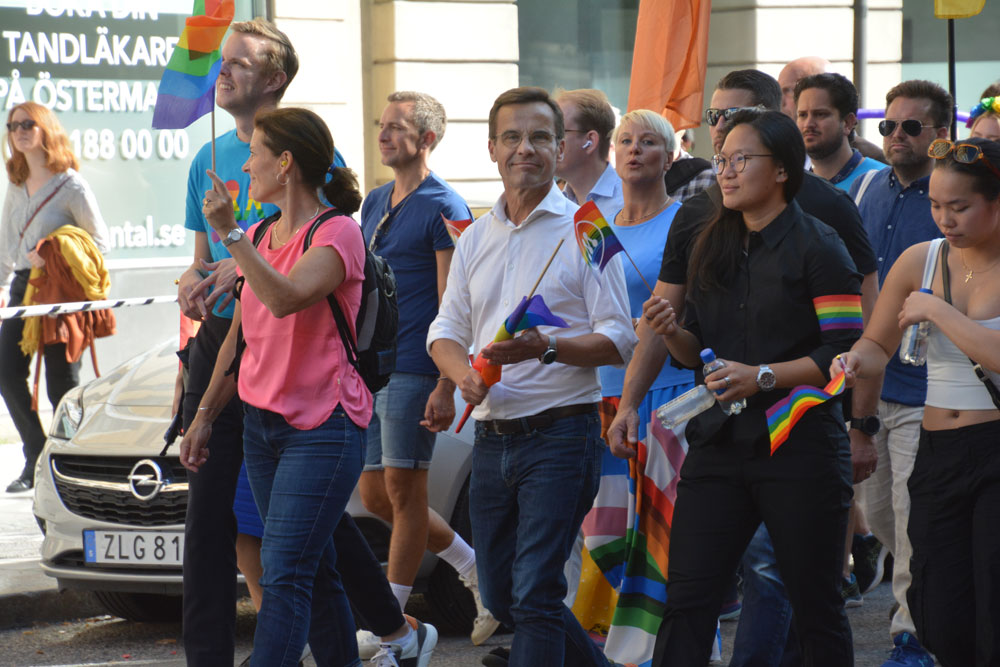
Turkey Believes Sweden Hasn’t Done Enough
Sweden will have to wait a bit longer for NATO membership, according to Turkey's Justice Minister Jilmaz Tunc. First, Sweden must extradite the "terrorists" Turkey wants and stop the desecration of the Quran.
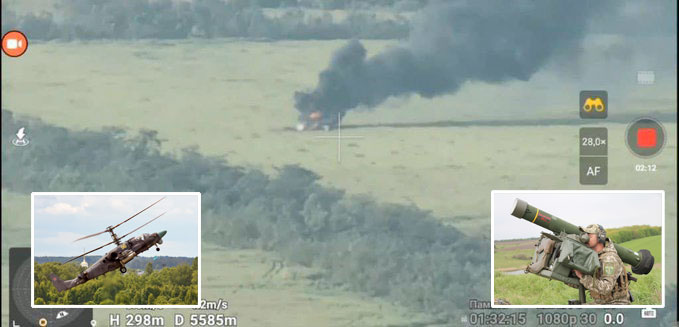
Swedish Weapon Takes Down Russia’s Best Attack Helicopter
The Russian attack helicopter Ka-52 is considered one of the world's best and has struck fear in Ukraine, where it has hunted down tanks and other armored vehicles, often beyond the range of many light anti-aircraft systems. However, it has met its match in the Swedish air defense missile system RBS 70, which has quickly led to significant losses for the Russian helicopter forces.
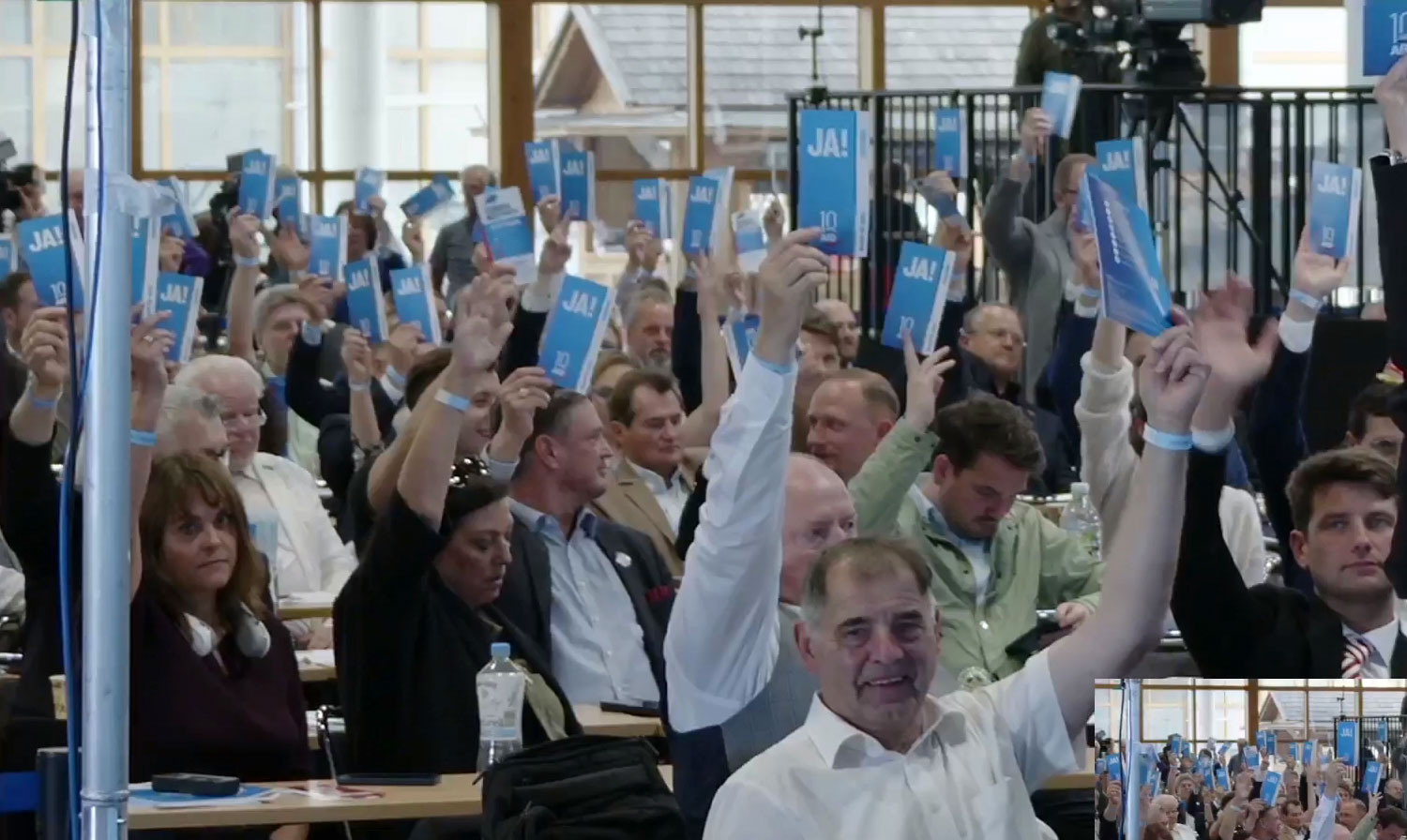
Strong Confidence in German AfD
Alternative for Germany (AfD) held a party conference on July 29-30 to select candidates for the upcoming EU election next year. EU Parliament member Maximilian Krah, belonging to the party's more radical, ethnonationalist faction, was appointed as the top candidate. The party's two spokespersons delivered powerful speeches criticizing the EU's failed migration policy and trade sanctions that isolate Europe and Germany from the rest of the world. They argued that it's time for the EU to return a significant portion of its power to national parliaments. However, they have dropped the demand for Germany to exit the EU.
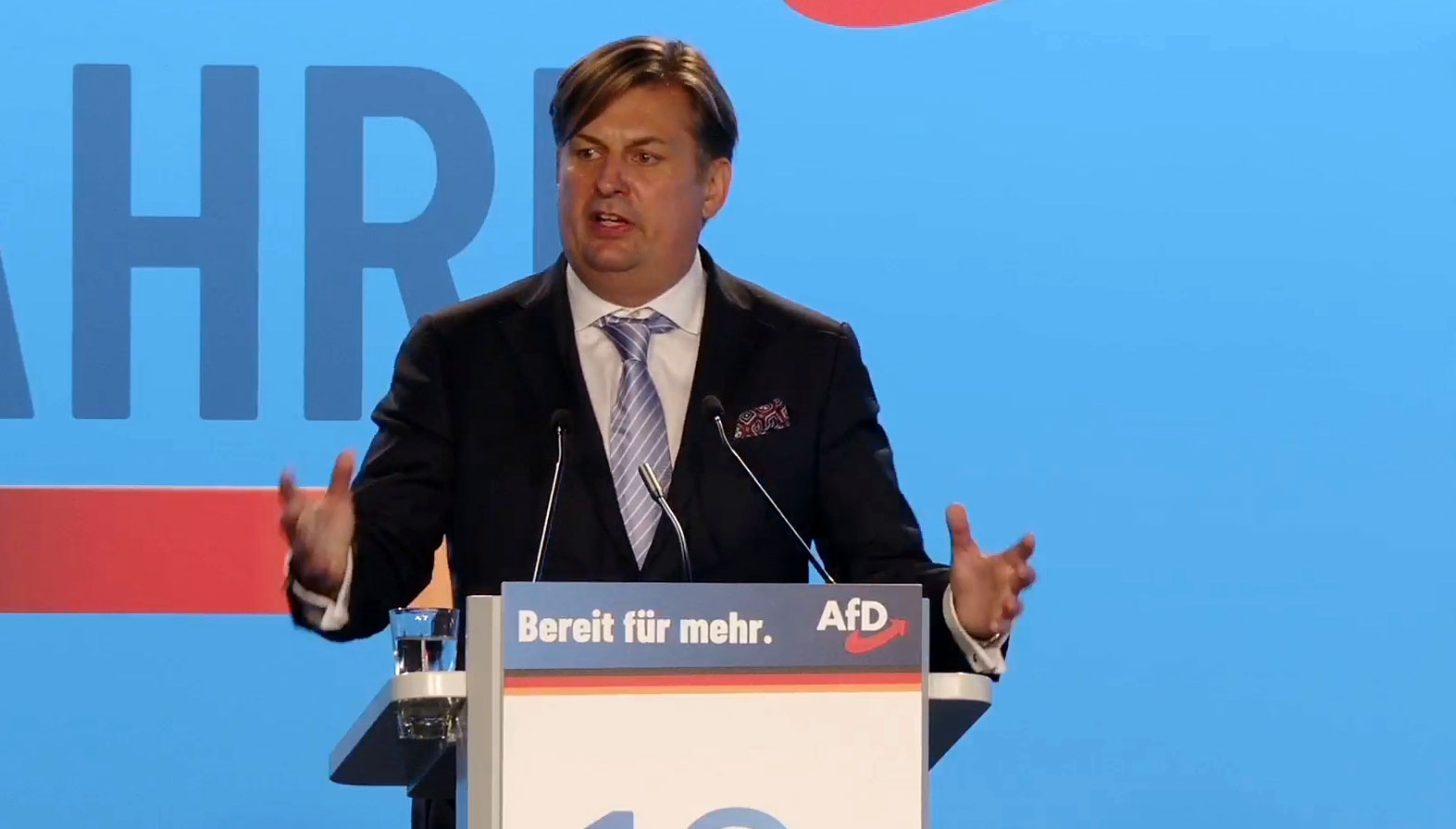
The Establishment Wants to Ban Germany’s Second Largest Party – for the Sake of Democracy
The rising popularity of AfD has raised strong concerns within the establishment. Despite lies and demonization in the media and isolation from the overall political establishment, the party continues to grow. Certain representatives of the party are accused of becoming increasingly "extreme," and in an unusual move, the influential weekly newspaper Der Spiegel demanded that AfD be "banned."
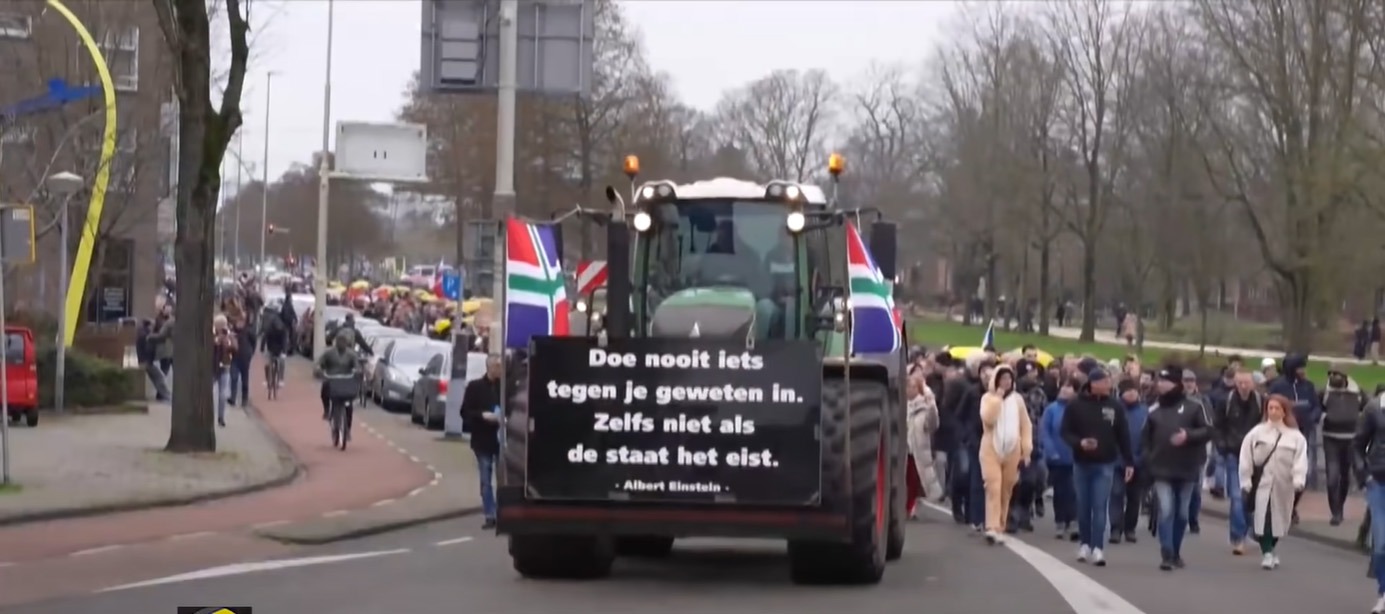
Dutch FvD break through the media blockade
What is happening in the Netherlands? It is often difficult to follow events in other countries, especially when distorted by system media. We give Forum for Democracy (FvD) the opportunity to speak out on the political situation in the Netherlands and the staunch resistance they face in trying to save the country.
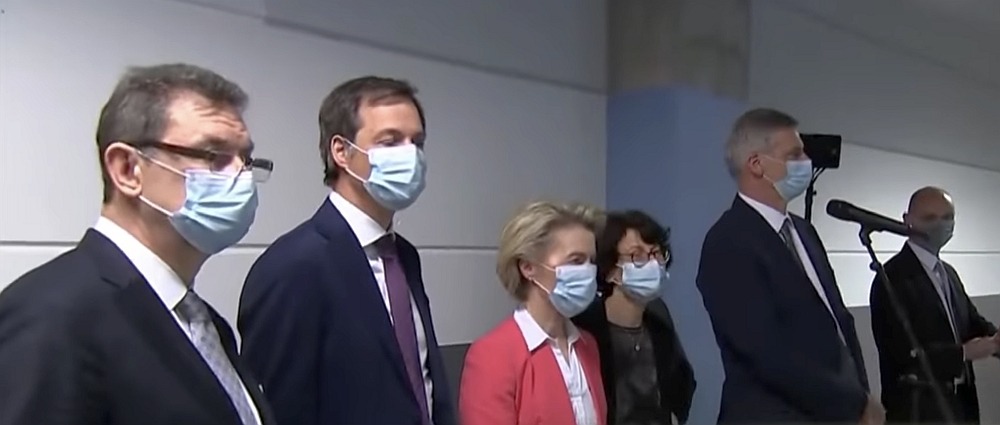
The Ursula von der Leyen Affair
After a criminal complaint in Belgium against the President of the European Commission, the so-called SMS-case, now takes a new turn. The judge responsible for the investigation will likely gain access to the secret messages exchanged between Ursula von der Leyen and Albert Bourla, CEO of Pfizer, at least if they haven't been deleted.
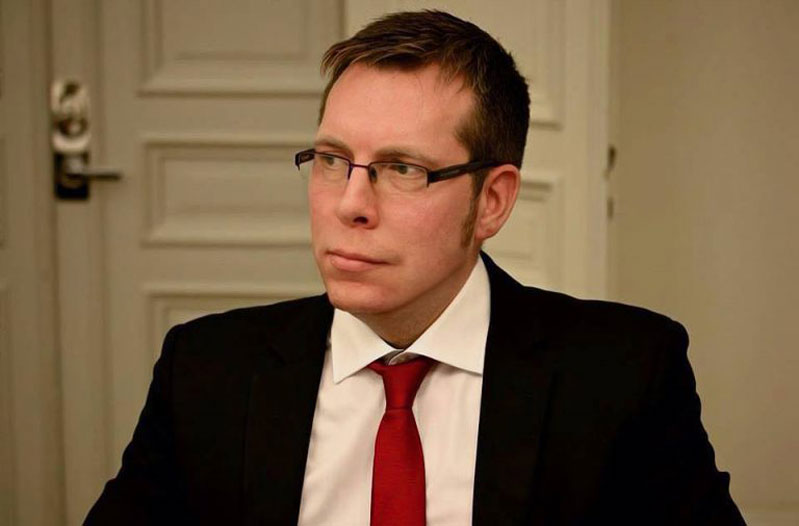
Publisher of Unique Literature Worldwide Blocked by International Distributor
Arktos has distinguished itself by publishing groundbreaking philosophers and social critics. Now, the publisher's international distributor has abruptly terminated the cooperation, and more than 400 already printed titles cannot reach their audience. There is strong evidence that the distributor has been under pressure, something that has also happened in Sweden. We have spoken with Arktos founder Daniel Friberg about the ongoing struggle for freedom of speech in a shrinking cultural corridor.
