




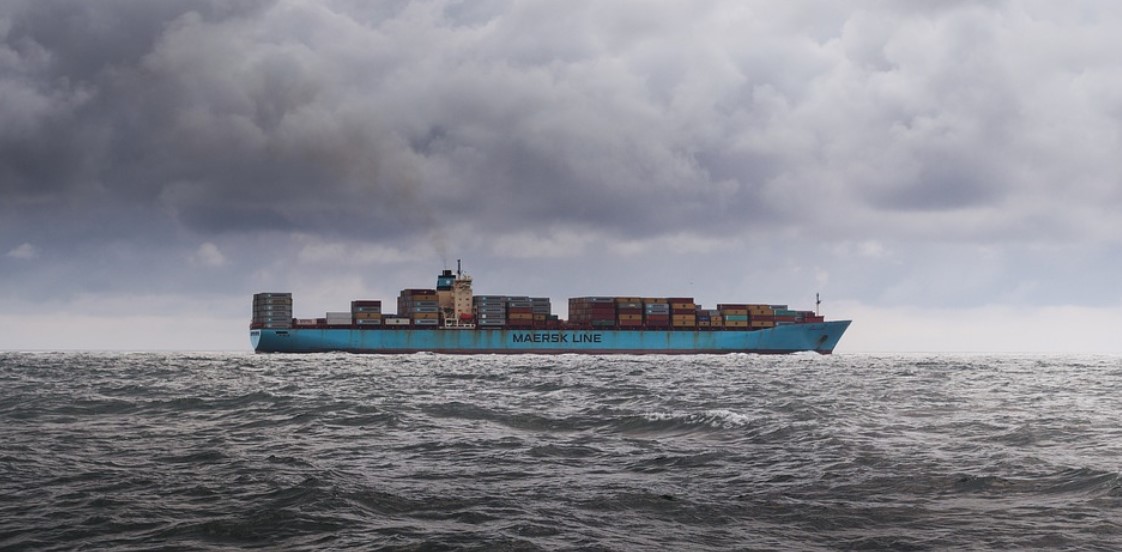
 Container ship Maersk. Stock photo from Pixabay
E-cars as ticking incendiary bombs on container ships
One of the lesser-known risks of e-cars is the high risk of fire due to the vehicles' lithium-ion batteries. This does not always only affect individual vehicles on the road, but above all endangers transport safety on container ships, where numerous vehicles are stored in a very small space.
Published: September 10, 2022, 11:10 am
Opinions are still divided as to whether, on balance, the risk of fire with e-vehicles is actually higher than with conventionally powered cars, because surprisingly there are no exhaustive studies on this yet. However, experts agree that extinguishing the fire is in any case much more complicated than with combustion engines – and the fire’s intensity is greater – even though there is no fuel on board.
The batteries are a critical weak point
The problem is with the batteries: if the battery in an electric car is deformed, for example in an accident, the battery cells can catch fire . This starts the chemical process inside the battery. As part of the so-called “thermal runway”, it jumps from one cell to the next. Intensive cooling with enormous amounts of water is then required to extinguish the fire. Since the flow of current is interrupted, there is at least no risk of explosion, because the battery cannot ignite because the high-voltage system switches itself off automatically.
Nevertheless, the deletion process is extremely lengthy. If a lithium battery decomposes due to a technical defect, temperatures of up to 800 degrees can occur. The cell degrades, depressurizing and releasing the highly flammable electrolyte. When it comes into contact with water, highly toxic hydrofluoric acid and phosphoric acid are formed.
Apocalypse on the high seas as a constant danger
However, the situation is different when a number of e-cars are in a confined space, such as when transported overseas on container ships. Despite the automatic shutdown of the high-voltage systems, a chain reaction can occur here and the fire can spread from one car to another on board. The result would be an apocalypse as the entire ship could go down in flames.
This is another reason why many operators of freight or passenger ferries shy away from transporting e-cars because they fear the consequences of a fire on their ships – even if they have state-of-the-art fire-fighting systems on board to at least contain a fire that breaks out until the next port is reached. Jesper Maack, spokesman for the Danish shipping company Molslinjen commented: “With the spread of electric cars, it is clear that the authorities, fire protection experts and the ferry industry as well as the manufacturers of electric cars have this at the top of their agenda.”
Logisticians and freight companies fear the risk of fire
In the case of fires on board a ship, it is not possible to extinguish the fire from the outside. Efforts are therefore being made to smother the fire by depriving it of oxygen and to seal off the affected rooms. This is not possible with open vehicle decks, which is why these fires are very difficult or even impossible to extinguish. If there are still many vehicles lined up, the burning car is probably not accessible at all. If the fire cannot be controlled using the built-in sprinkler systems, the entire ship is at risk.
Although the water is pumped overboard via ditches, these gradually become clogged with debris released by the fire, causing the extinguishing water to collect on deck. The fire also spreads to neighboring vehicles. This ensures that significant amounts of hydrofluoric acid are produced in the event of a fire. Even if the fire is under control, one must expect that the entire vehicle deck would then become contaminated. There is also a risk of considerable damage if the hydrofluoric acid gets into the environment with the extinguishing water.
Catastrophic shipwrecks involving e-cars in recent years
The problem of the environmentally friendly disposal of the contaminated extinguishing water and the burned and also contaminated vehicles then arises. And finally, passengers are at risk of the highly dangerous hydrofluoric acid gas produced reaching their area of the ship. German daily Welt reporter Birger Nicolai referred in this context to a risk study by the shipping insurer Allianz Global Corporate & Specialty (AGCS), which came to the conclusion that fire and explosions on board caused 18 percent of the total loss of 9,2 billion euros.
In that year, the freighter Felicity Ace sank in the Atlantic with 4 000 vehicles on board; In 2020, the car transporter Höegh Xiamen and the container ship Cosco Pacific caught fire. In all of these cases, incorrectly declared battery charges were identified as the cause or amplification of the fires. In 2021 there were 54 total losses. As the report states, this is due to the “defective manufacture of battery cells and devices, overcharging of the cells and overheating.” The danger is therefore real.
All rights reserved. You have permission to quote freely from the articles provided that the source (www.freewestmedia.com) is given. Photos may not be used without our consent.
Consider donating to support our work
Help us to produce more articles like this. FreeWestMedia is depending on donations from our readers to keep going. With your help, we expose the mainstream fake news agenda.
Keep your language polite. Readers from many different countries visit and contribute to Free West Media and we must therefore obey the rules in, for example, Germany. Illegal content will be deleted.
If you have been approved to post comments without preview from FWM, you are responsible for violations of any law. This means that FWM may be forced to cooperate with authorities in a possible crime investigation.
If your comments are subject to preview by FWM, please be patient. We continually review comments but depending on the time of day it can take up to several hours before your comment is reviewed.
We reserve the right to delete comments that are offensive, contain slander or foul language, or are irrelevant to the discussion.
Europe

New App Helps Locate Sweden’s Historic Runestones
A new app called Swedish Runestones will help locate historical gems.
Swedish military wants to remilitarize the Åland Islands
The demilitarized autonomy has previously been known as 'the islands of peace.
NOAA Predicts Zero Sunspots for Almost the Whole 2030s
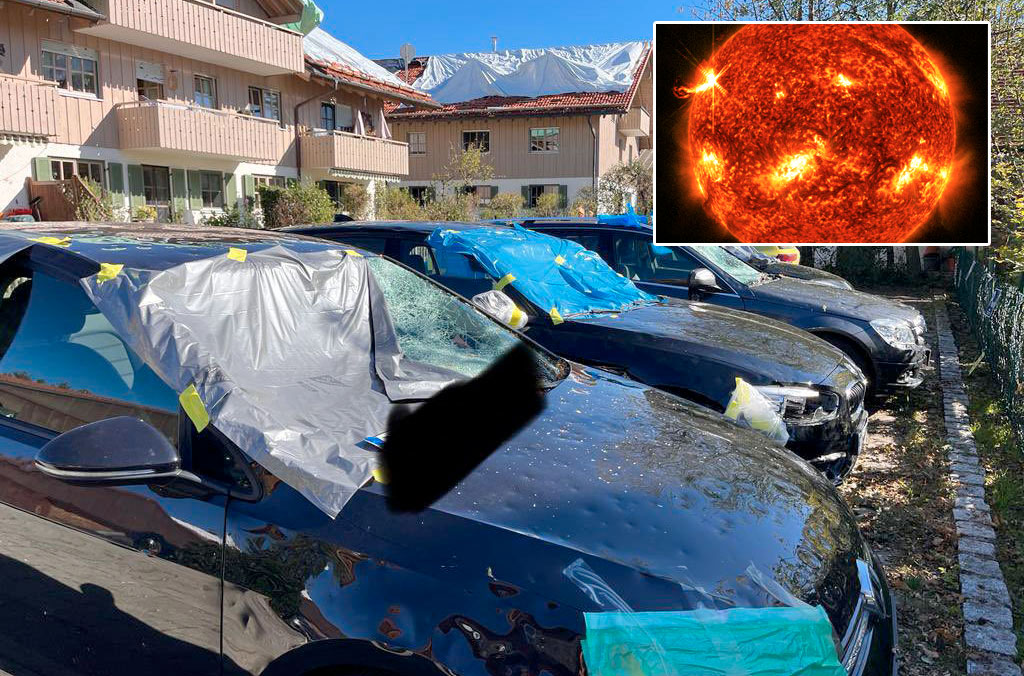
CLIMATEThe United States' government scientific organization, the National Oceanic and Atmospheric Administration (NOAA), predicts zero sunspots from 2031 to 2040. This is an extreme situation that has not occurred in as long as humanity has been counting sunspots, and it leads us into uncharted territory in terms of our solar system. However, this prediction aligns with the warnings of the world-renowned solar researcher Valentina Zharkova for many years, who indicated in 2019 various signs of this catastrophic phenomenon, including the extreme hailstorms we have seen in Europe and the world this summer. The forecast and various observations this year give cause for very significant concern. In this unique analysis, Free West Media explains why.
European Nationalist Parties Forge Cooperation Ahead of EU Elections
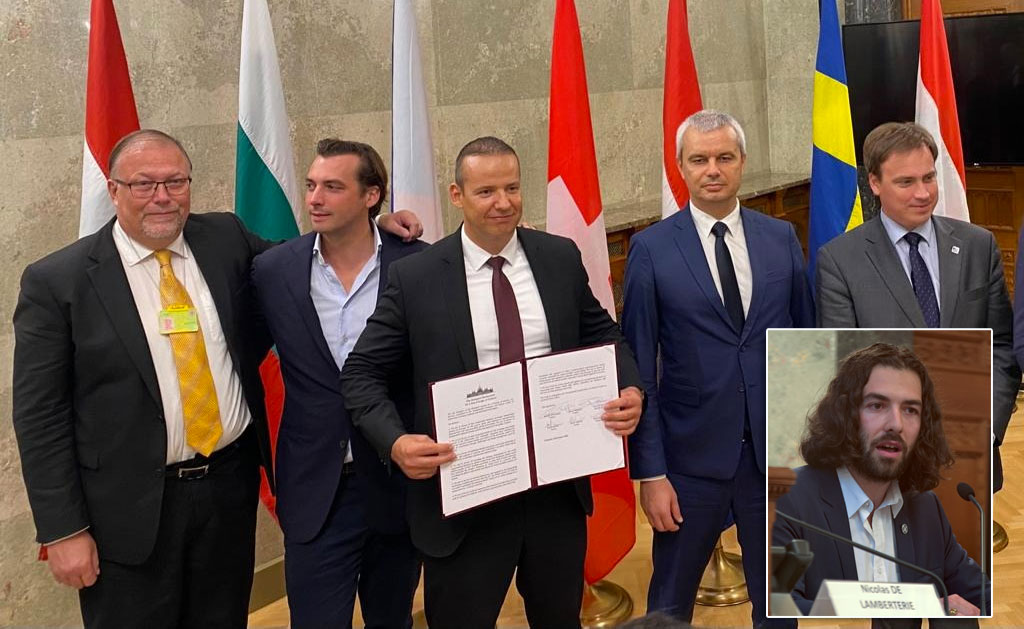
EUROPEAN ELECTIONSOn Saturday, August 26, representatives of six European nationalist parties gathered in Budapest. The meeting was initiated by the Hungarian party Mi Hazánk and took place in the national parliament. Representatives of the parties signed a joint declaration that not only reaffirms the parties' friendship but also their unity on a range of complex political issues. A surprisingly clear and radical manifesto was established. The hope is that this cooperation will lead to success in the EU elections and eventually result in the formation of a group in the European Parliament. For Swedish nationalism, this meeting marks a success as Sweden, for the first time, has a party represented in a leading nationalist cooperation in Europe. Free West Media was present at this historic event.
Turkey Believes Sweden Hasn’t Done Enough
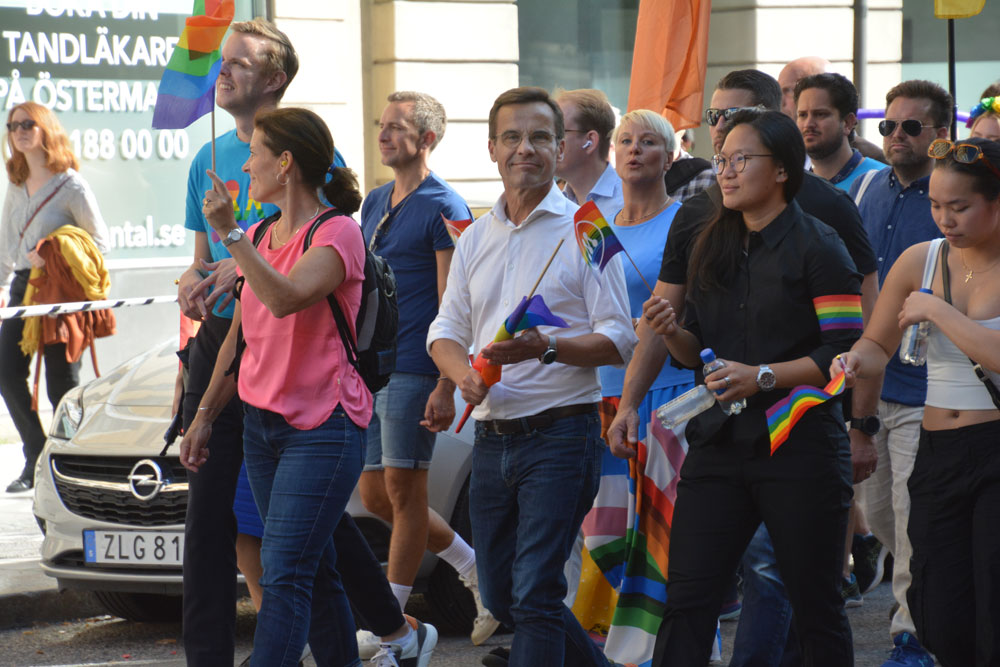
Sweden will have to wait a bit longer for NATO membership, according to Turkey's Justice Minister Jilmaz Tunc. First, Sweden must extradite the "terrorists" Turkey wants and stop the desecration of the Quran.
Swedish Weapon Takes Down Russia’s Best Attack Helicopter
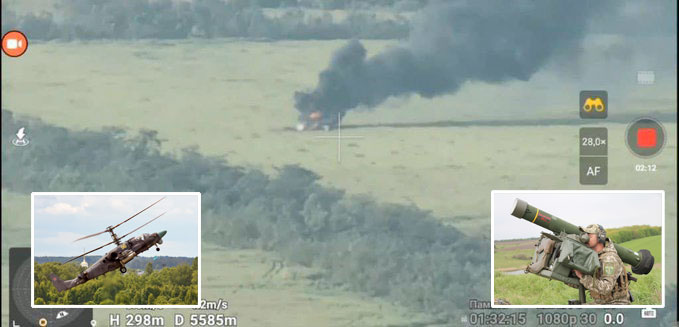
The Russian attack helicopter Ka-52 is considered one of the world's best and has struck fear in Ukraine, where it has hunted down tanks and other armored vehicles, often beyond the range of many light anti-aircraft systems. However, it has met its match in the Swedish air defense missile system RBS 70, which has quickly led to significant losses for the Russian helicopter forces.
The Sun Drives Earth’s Climate, Not Carbon Dioxide
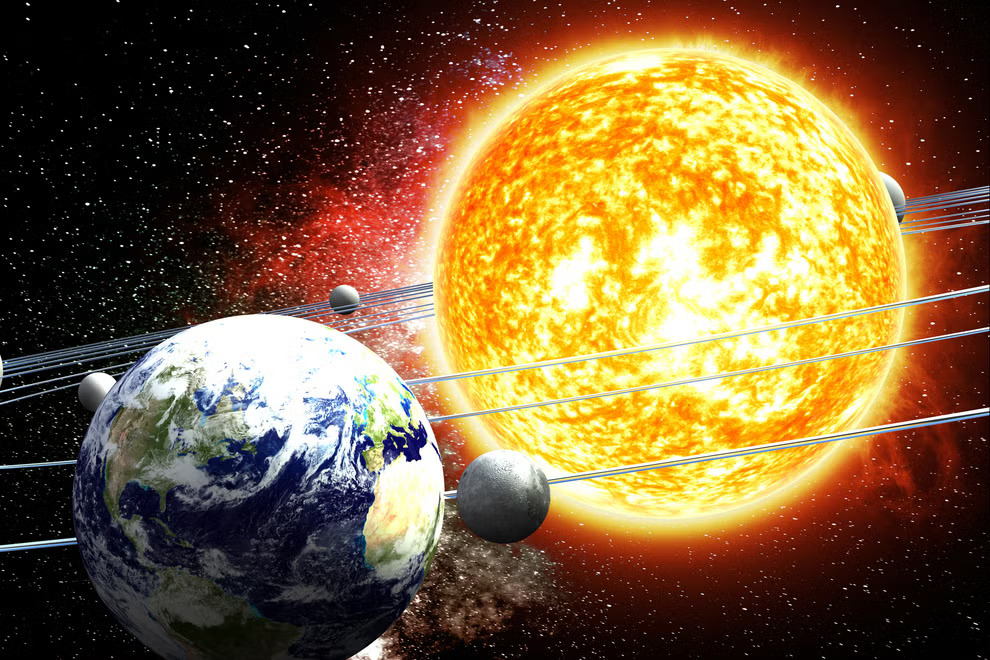
Top Researchers Push Back Against Climate Lies."The correlation is as clear as day," explained the Israeli astrophysicist Nir Shaviv, who was hailed by the establishment, before his interview with Forbes was hastily deleted. What he says contradicts the climate narrative, which points to humans as responsible for Earth's climate. Shaviv firmly asserts that it is the sun that controls the climate, something that can be scientifically proven in many ways. Contrary to the popular belief, the sun's influence on Earth has, in recent years, caused unusually cold and rainy weather, a trend that solar researchers warn will worsen significantly in the coming decades. The sun has exhibited an unusually low activity since 2016, during Solar Cycle 24, which was the weakest in a century.
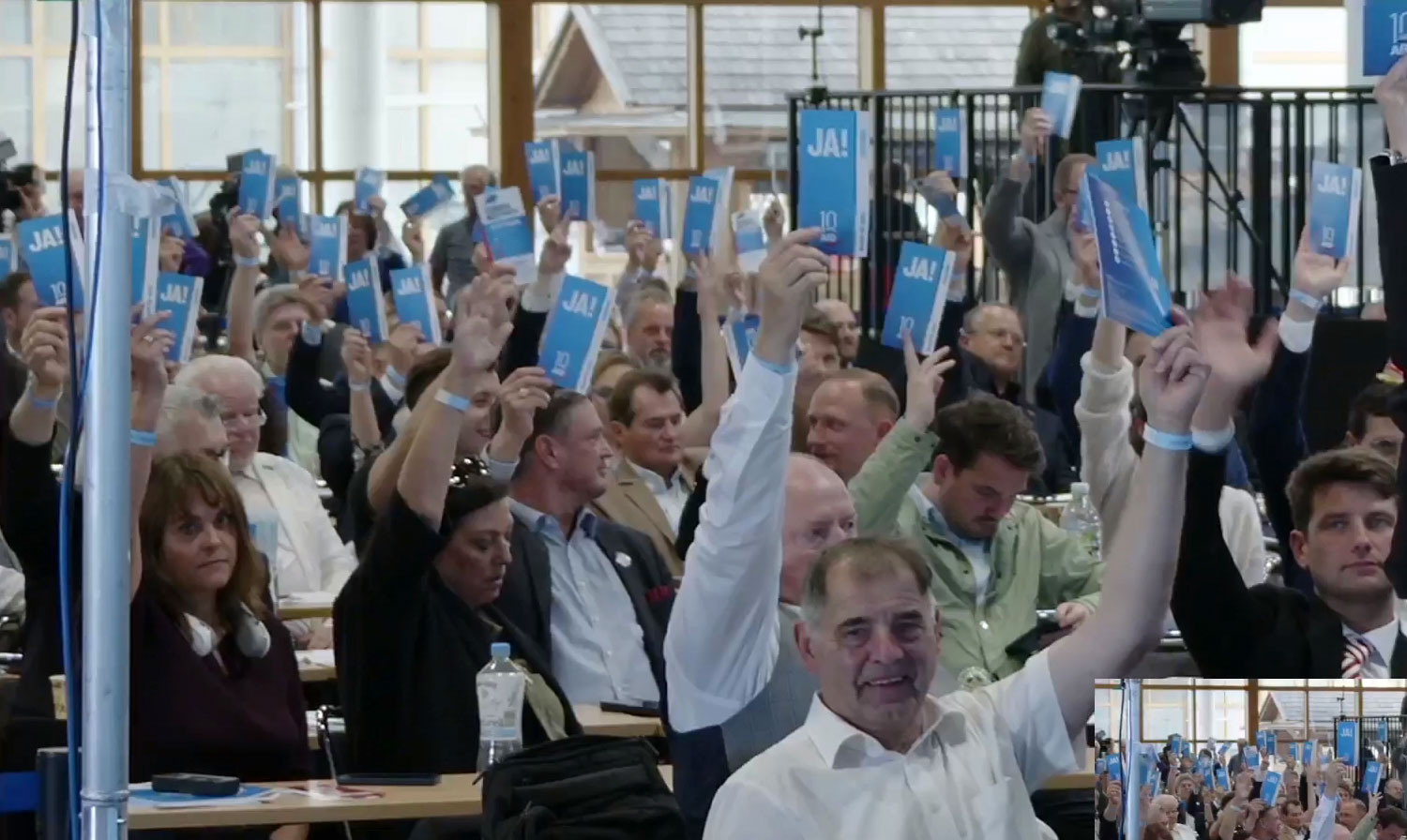
Strong Confidence in German AfD
Alternative for Germany (AfD) held a party conference on July 29-30 to select candidates for the upcoming EU election next year. EU Parliament member Maximilian Krah, belonging to the party's more radical, ethnonationalist faction, was appointed as the top candidate. The party's two spokespersons delivered powerful speeches criticizing the EU's failed migration policy and trade sanctions that isolate Europe and Germany from the rest of the world. They argued that it's time for the EU to return a significant portion of its power to national parliaments. However, they have dropped the demand for Germany to exit the EU.
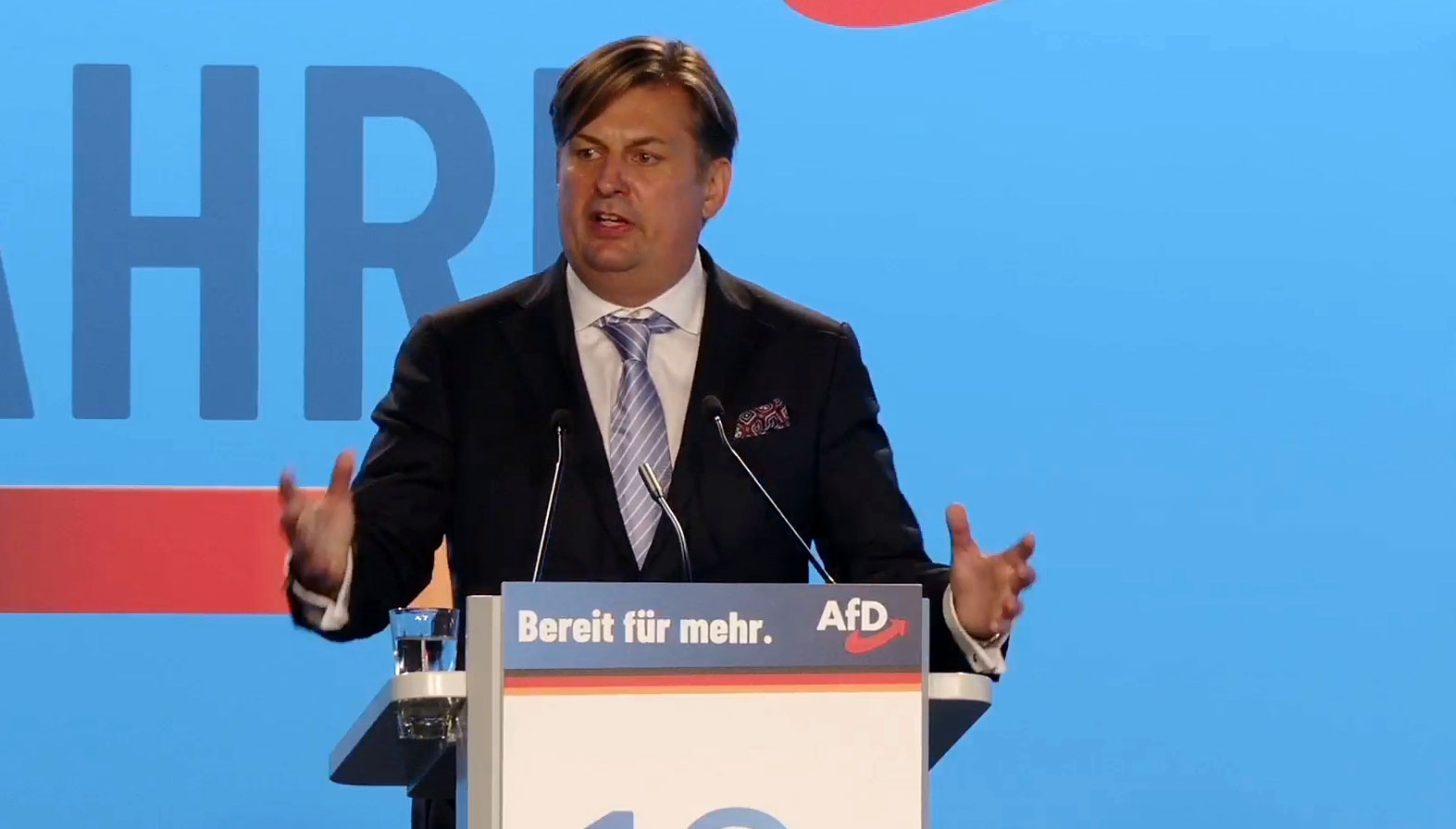
The Establishment Wants to Ban Germany’s Second Largest Party – for the Sake of Democracy
The rising popularity of AfD has raised strong concerns within the establishment. Despite lies and demonization in the media and isolation from the overall political establishment, the party continues to grow. Certain representatives of the party are accused of becoming increasingly "extreme," and in an unusual move, the influential weekly newspaper Der Spiegel demanded that AfD be "banned."
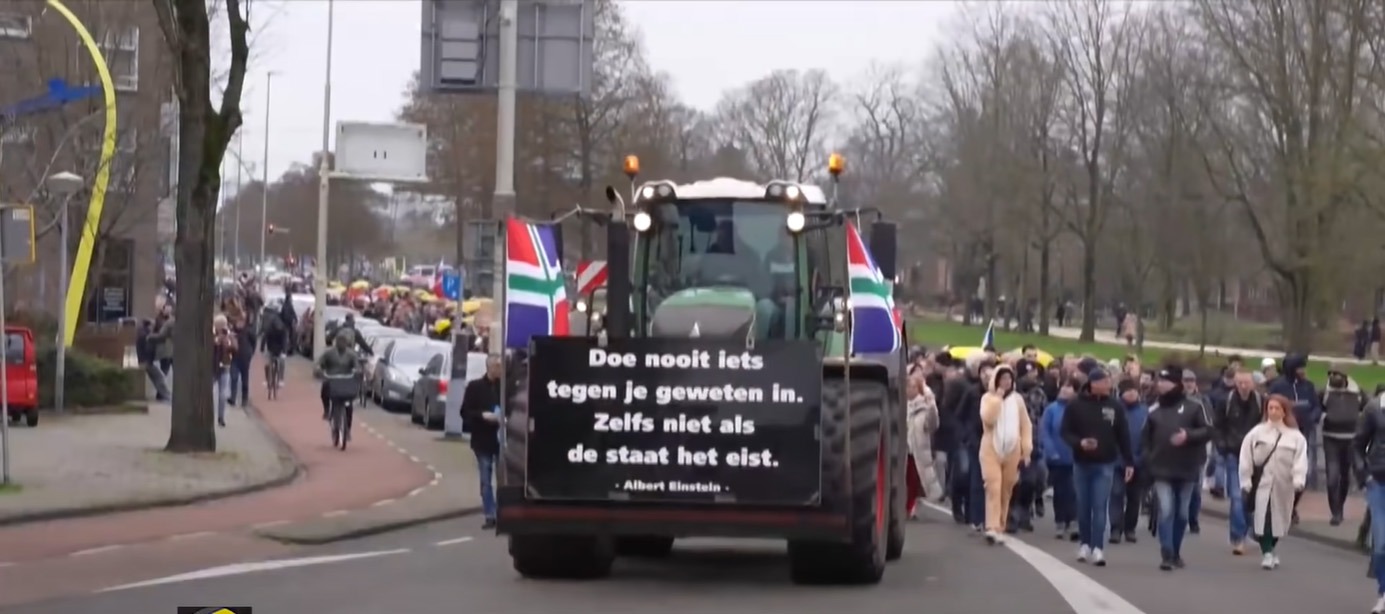
Dutch FvD break through the media blockade
What is happening in the Netherlands? It is often difficult to follow events in other countries, especially when distorted by system media. We give Forum for Democracy (FvD) the opportunity to speak out on the political situation in the Netherlands and the staunch resistance they face in trying to save the country.
No comments.
By submitting a comment you grant Free West Media a perpetual license to reproduce your words and name/web site in attribution. Inappropriate and irrelevant comments will be removed at an admin’s discretion. Your email is used for verification purposes only, it will never be shared.